Sharing Economy's Dirty Secret: More Sharing, More Waste
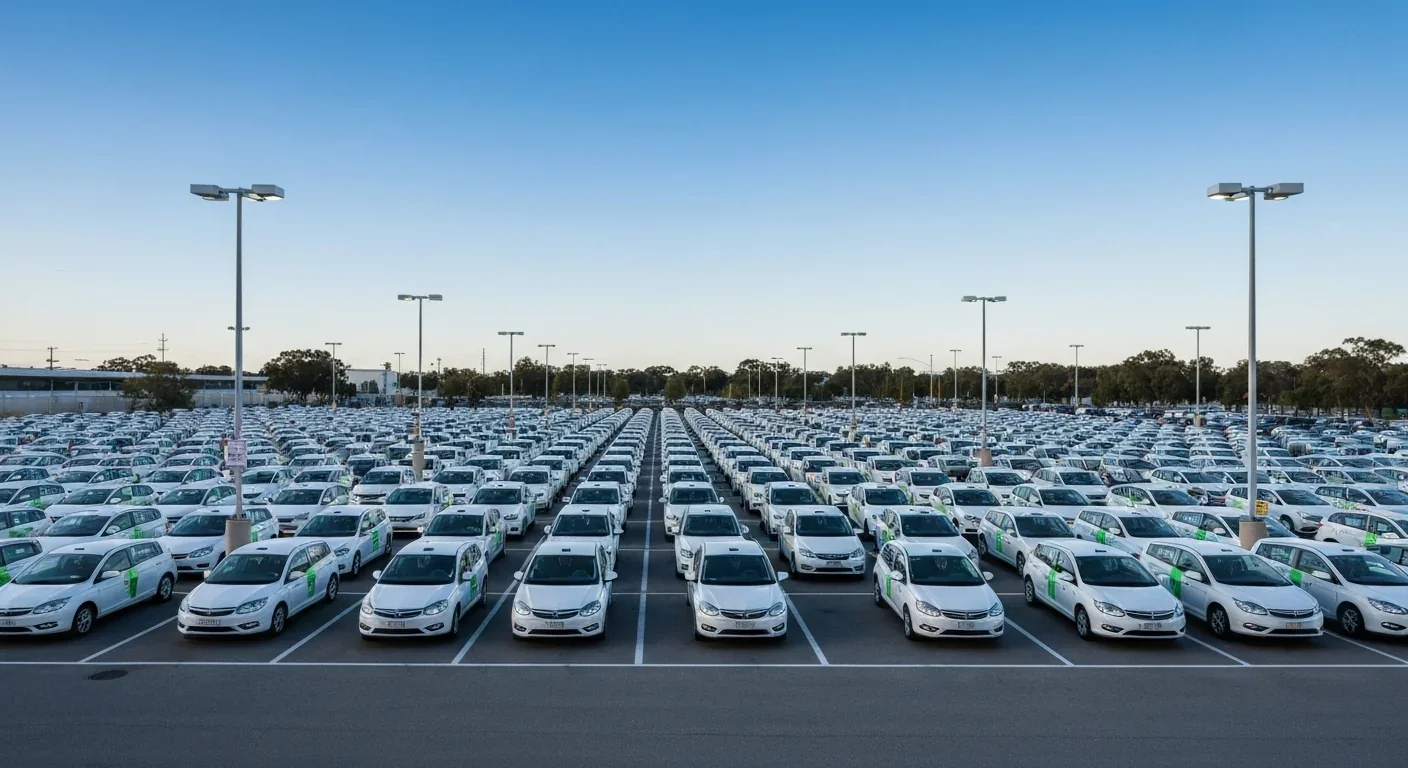
Sharing Economy's Dirty Secret: More Sharing, More Waste
Scientists Want to Bring Back the Ice Age to Save Us
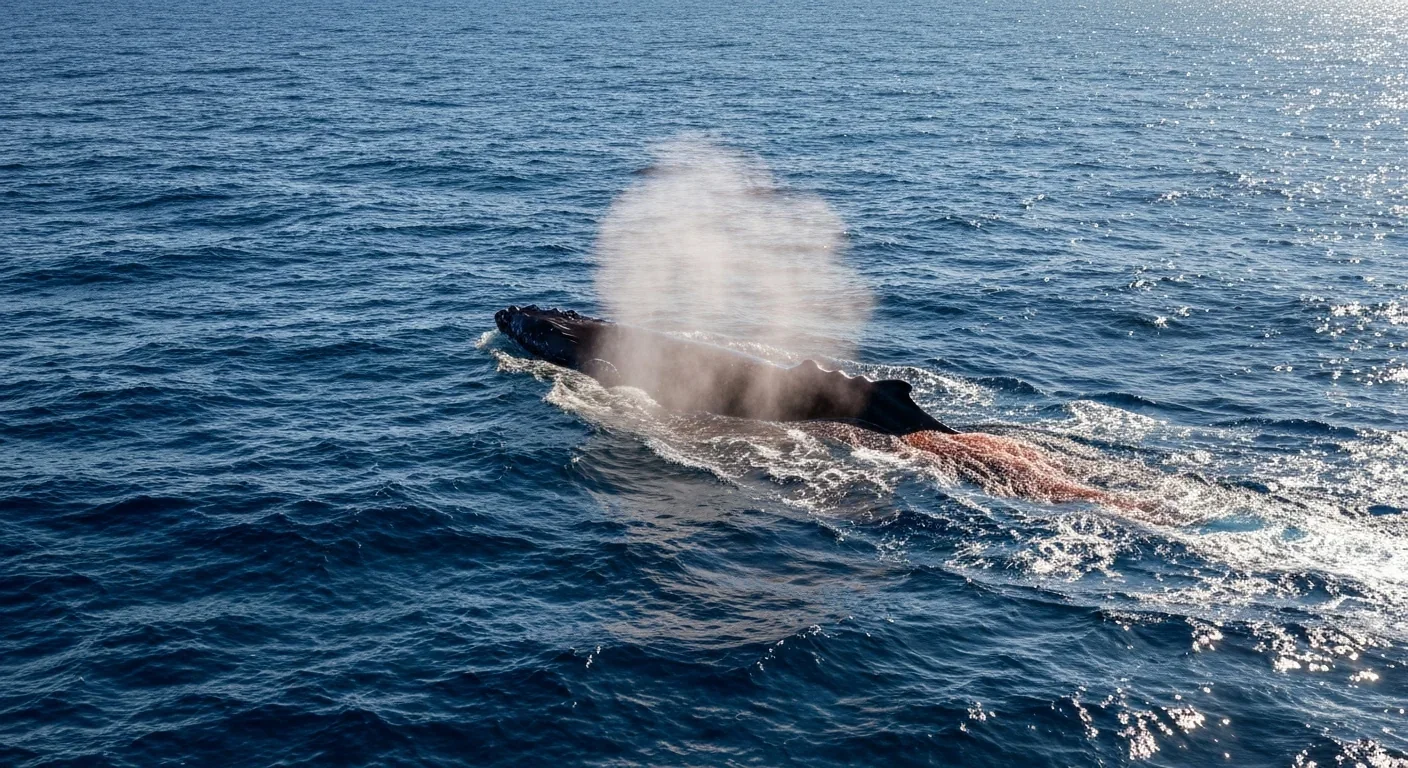
Whale Pump: How Whale Dung Fertilizes the Ocean

Climate Tipping Cascades: How One Threshold Topples All
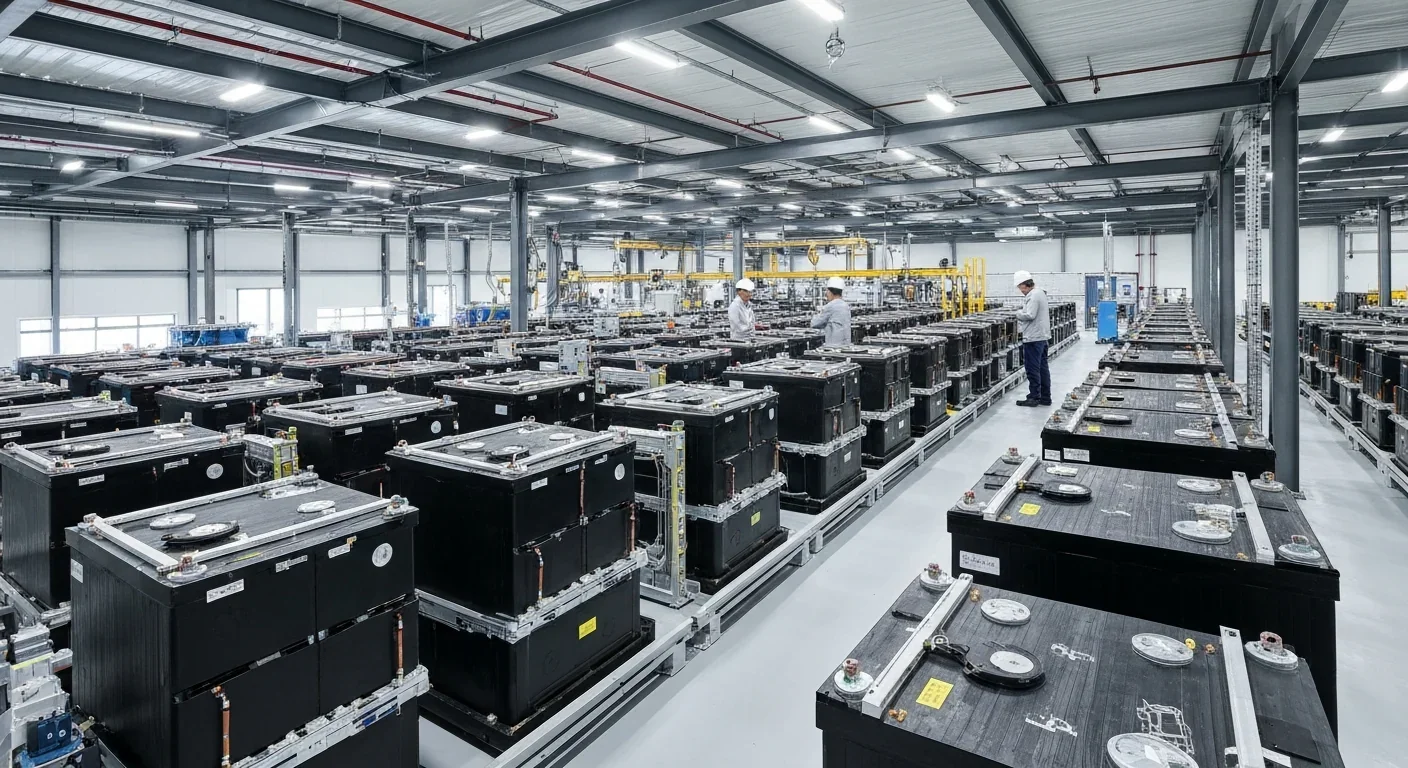
Iron-Air Batteries Could Solve Renewable Energy Storage
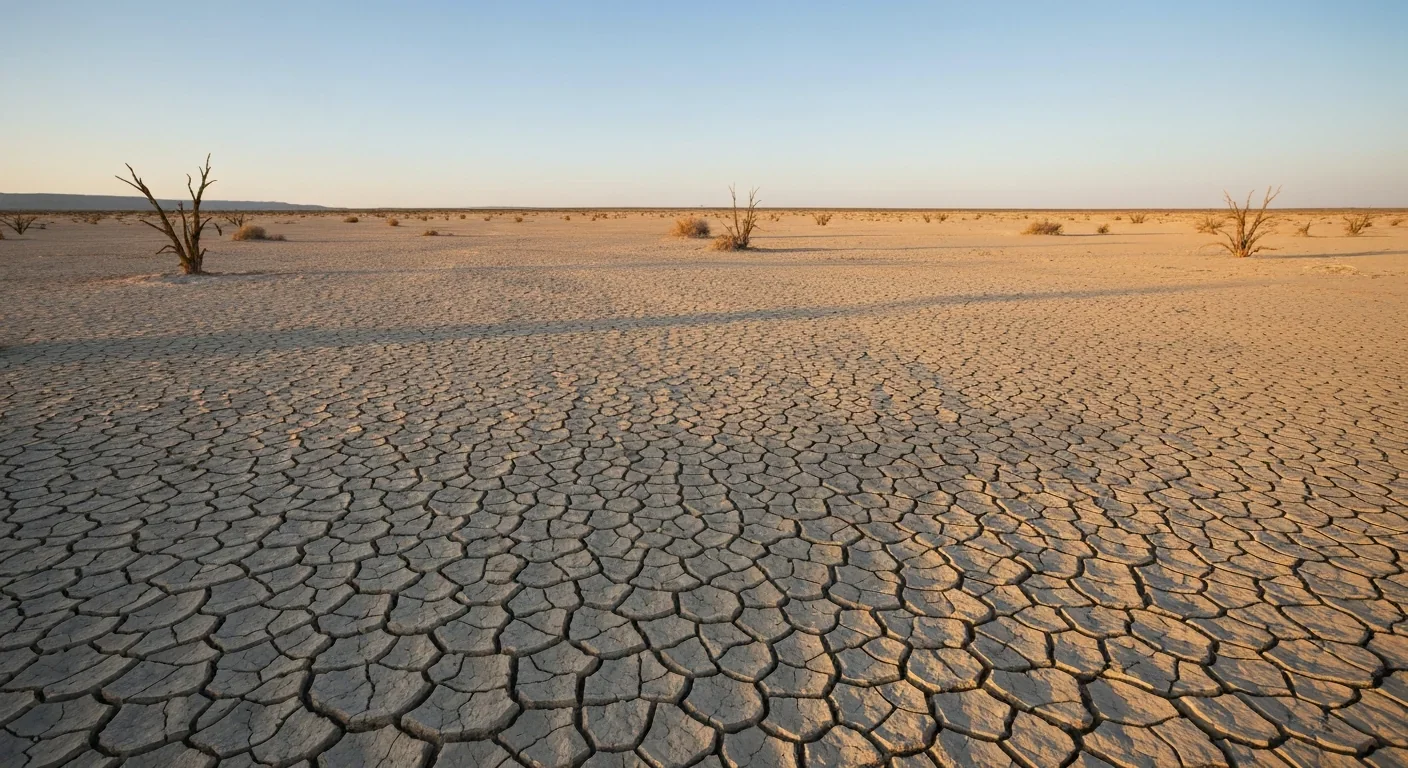
Megadrought Is Redrawing the Map of Earth's Ecosystems
TL;DR: California's coast redwoods get up to 40% of their water from fog, but fog has declined 33% since 1950. Scientists are now exploring engineered fog-collection systems to supplement forest moisture, though scaling this technology from village water supply to forest-scale irrigation remains a major challenge.
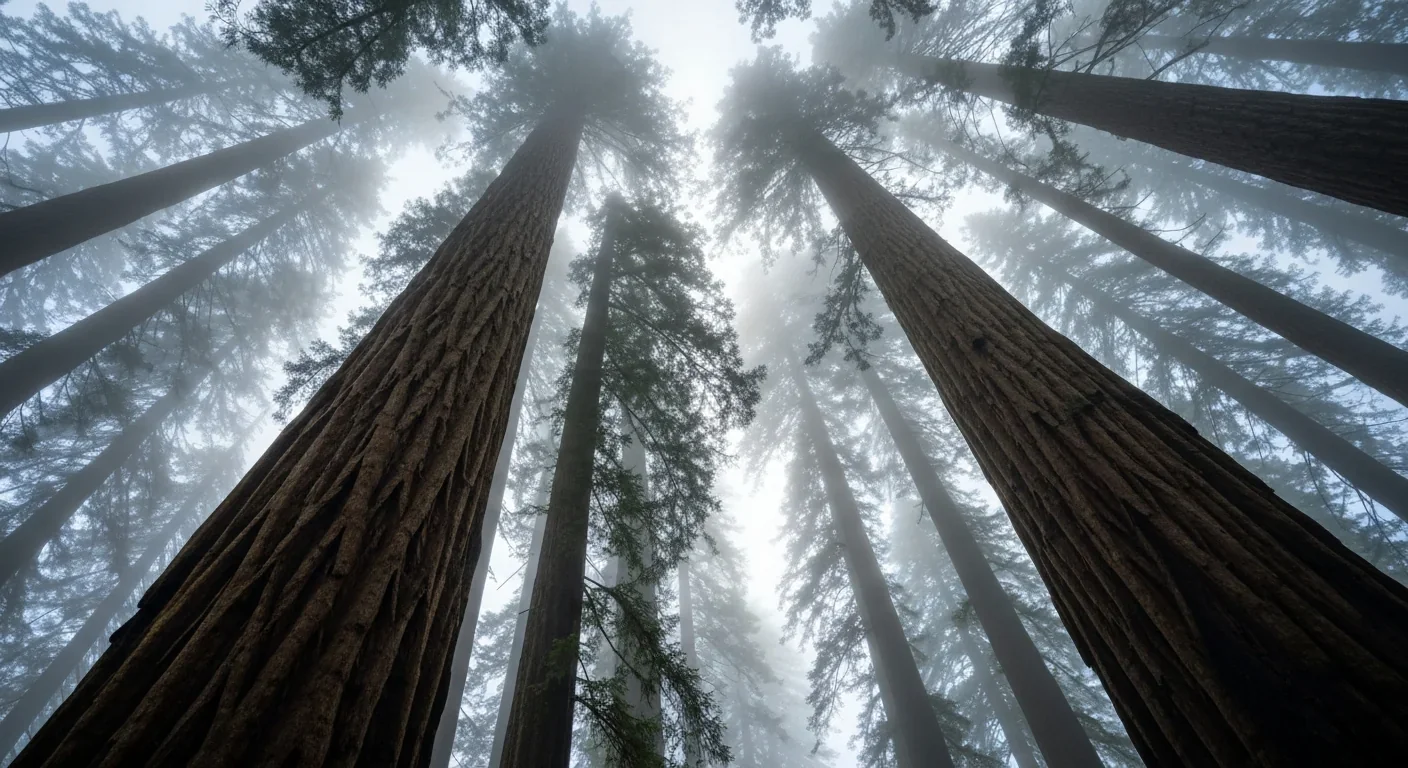
A quiet transformation is happening along California's fog-drenched coastline that will ripple through every conversation about forest conservation. The tallest trees on Earth, coast redwoods that tower over 300 feet into the sky, are losing the invisible lifeline that has sustained them for millions of years: fog. And now, a growing coalition of scientists, engineers, and conservationists is asking whether humanity can build what nature is slowly taking away.
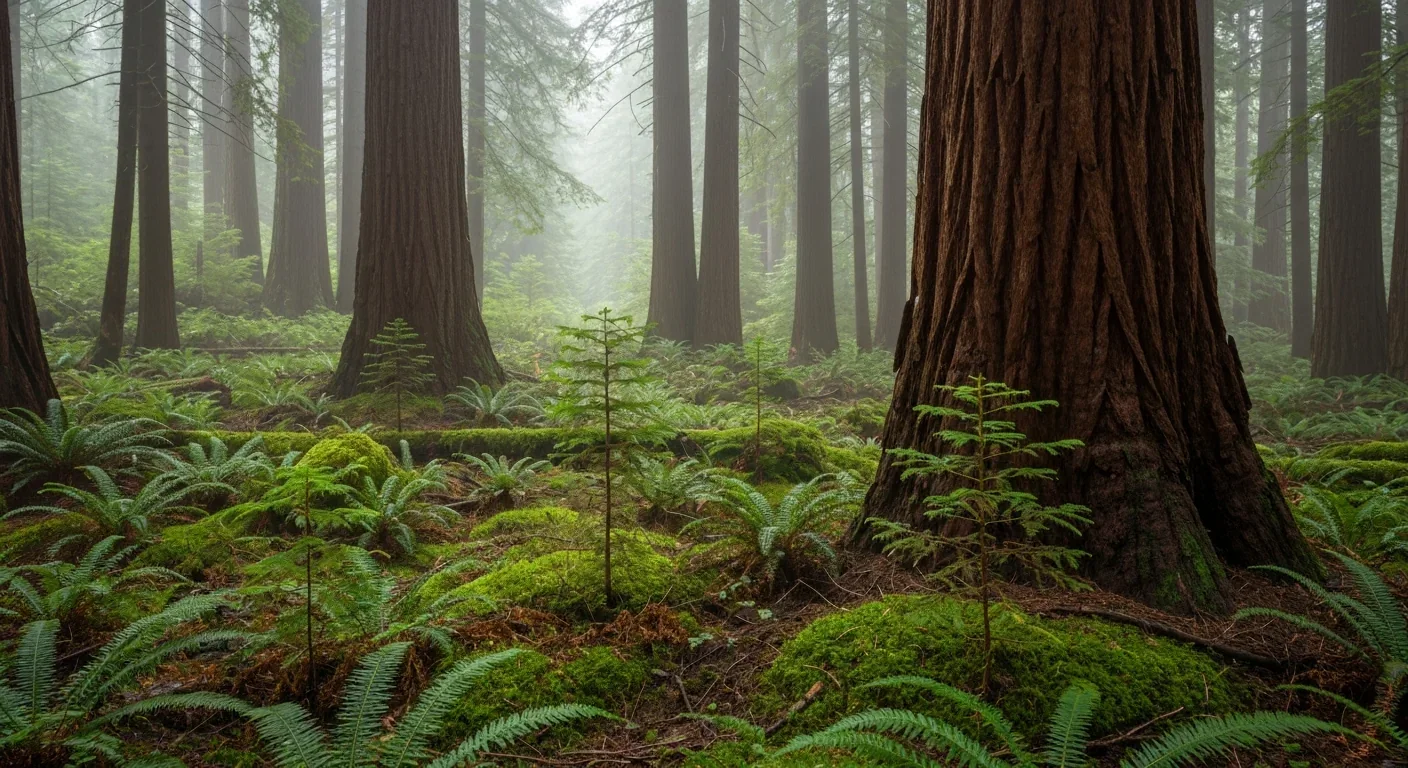
Here's something most people don't realize about coast redwoods: they drink from the sky. Not rain, but fog. From May through October, cold Pacific waters churned up by coastal upwelling meet warm, moist air flowing off the continent. The collision produces a thick marine layer that rolls inland through coastal valleys and wraps itself around the redwood canopy like a wet blanket.
When those billions of tiny suspended water droplets encounter a redwood's dense needles and rough bark, physics takes over. Droplets collide, merge, and grow heavy enough to fall. A single mature redwood can produce the equivalent of a drenching rainstorm beneath its canopy on a foggy morning. Research by UC Berkeley professor Todd Dawson, one of the world's foremost experts on fog and redwoods, shows that summer fog can provide 30 percent or more of the annual water intake for coast redwoods. Other estimates put that figure at up to 40 percent.
This isn't just about the trees themselves. "When redwoods capture that fog and create fog drip, they're not just watering themselves," explains Laura Lalemand, senior scientist at Save the Redwoods League. "They're providing moisture for all these other plants and animals in the coast redwood ecosystem." Ferns, salamanders, mosses, fungi, soil microbes: the entire biological community beneath the canopy depends on this aerial irrigation system.
"When redwoods capture that fog and create fog drip, they're not just watering themselves. They're providing moisture for all these other plants and animals in the coast redwood ecosystem."
- Laura Lalemand, Senior Scientist, Save the Redwoods League
The trees even create a feedback loop. Redwood canopies cool the surrounding air and increase local humidity, which helps fog linger longer beneath the trees, effectively amplifying the very conditions they need to survive. It's an elegant, self-reinforcing system that evolved over millennia. And it's breaking down.
The numbers are sobering. A landmark 2010 study by James Johnstone and Todd Dawson, published in the Proceedings of the National Academy of Sciences, found that summertime fog in California decreased by 33 percent between 1950 and 2010. Since 1901, the average number of summer fog hours dropped from 56 percent to 42 percent, a loss of roughly three hours of fog per day. And the trend hasn't stopped. According to Dawson, fog declined another 7 percent between 2010 and 2023.
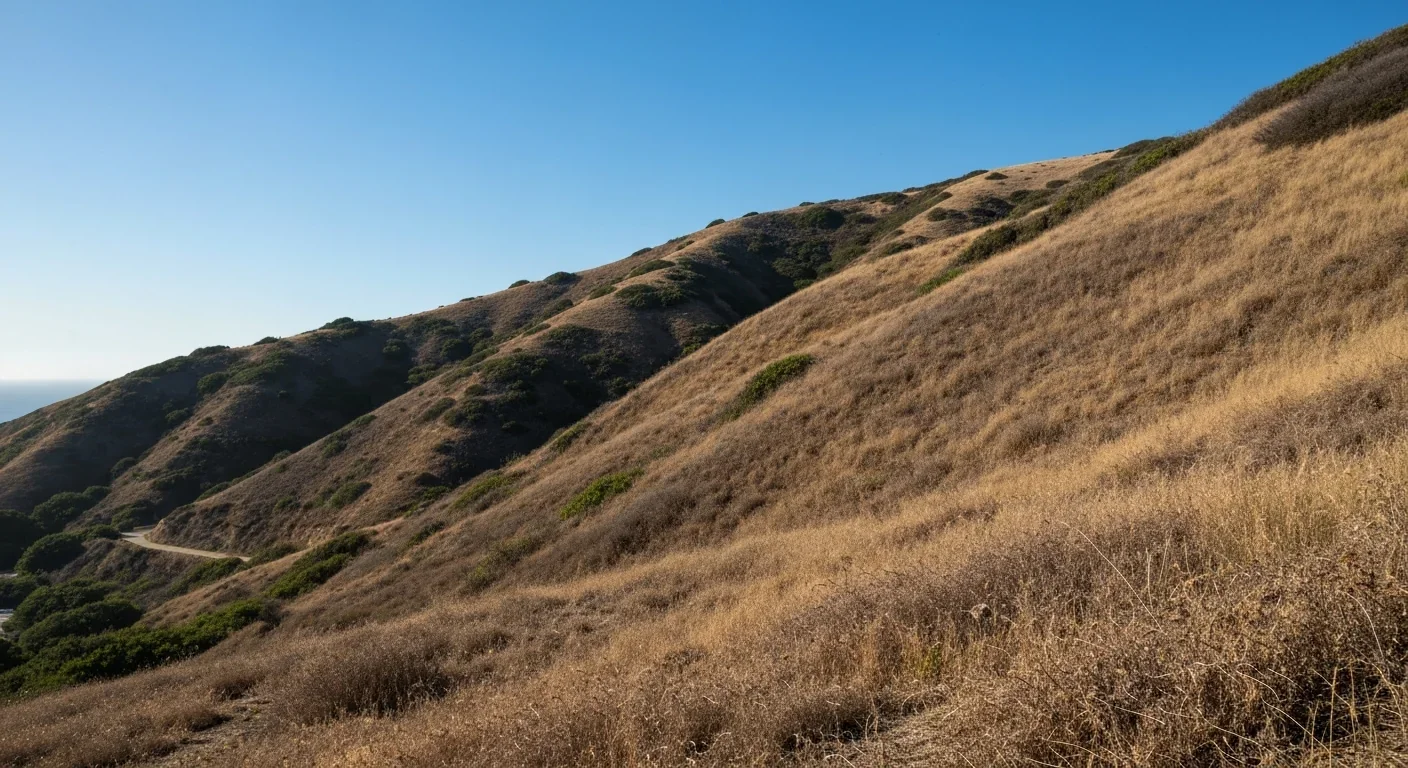
The mechanism behind this decline traces back to the ocean itself. Coastal upwelling generates the cold sea surface temperatures that create the temperature inversions producing fog. As ocean waters warm, the coast-to-inland temperature gradient weakens, and the summer inversion that traps marine clouds against the coast loses its grip. The fog doesn't disappear entirely. It rises, thins, and moves inland, leaving the immediate coastline drier and warmer.
"All of the evidence points to the fact that we are going to see changes in the redwood forest," Dawson has warned. And this isn't just a California story. In Mexico's Sierra Madre, the cloud forest city of Xalapa has seen fog days plummet from 240 per year to just 70. "What remains of cloud forest is degraded forest," says forestry expert Tarin Toledo. The pattern is global, and the consequences cascade.
Since 1901, California's coast has lost roughly three hours of fog per day during summer months. That's a 33% decline in the moisture system that redwoods depend on for up to 40% of their annual water intake.
When fog drip declines, soil moisture drops, understory plants wilt, and the fire risk climbs. Research from UC Berkeley shows that fern populations in the southern end of the redwood range are already smaller and less capable of capturing fog water, suggesting that the ecosystem is fragmenting from the edges inward. Young trees, which depend on high humidity for survival during their first years, may stop regenerating altogether. Mature redwoods might endure for decades on stored reserves, but without new growth, the forest's age structure shifts dangerously.
So what do you do when nature's irrigation system starts failing? You build a new one. And the technology already exists, just not where you'd expect.
For decades, fog collection has provided drinking water to communities in some of the driest places on Earth. The concept is beautifully simple: suspend a fine mesh net between poles on a windward slope, let fog-laden air pass through, and collect the water that condenses and drips into a trough below. No electricity required. No moving parts. Just physics and gravity.
The numbers are compelling. Chile's El Tofo project used 94 mesh collectors to supply water to 300 villagers. Morocco's CloudFisher fog nets harvest more than 20 liters of water per square meter on a foggy day. In Chile's Atacama Desert, researchers found that fog nets can collect between 3 and 10 liters per square meter per day, with peak rates reaching 10 liters during the fog season. The Canadian nonprofit FogQuest has begun testing fog harvesting in the San Francisco Bay Area and along the California coast, bringing the technology directly into redwood territory.
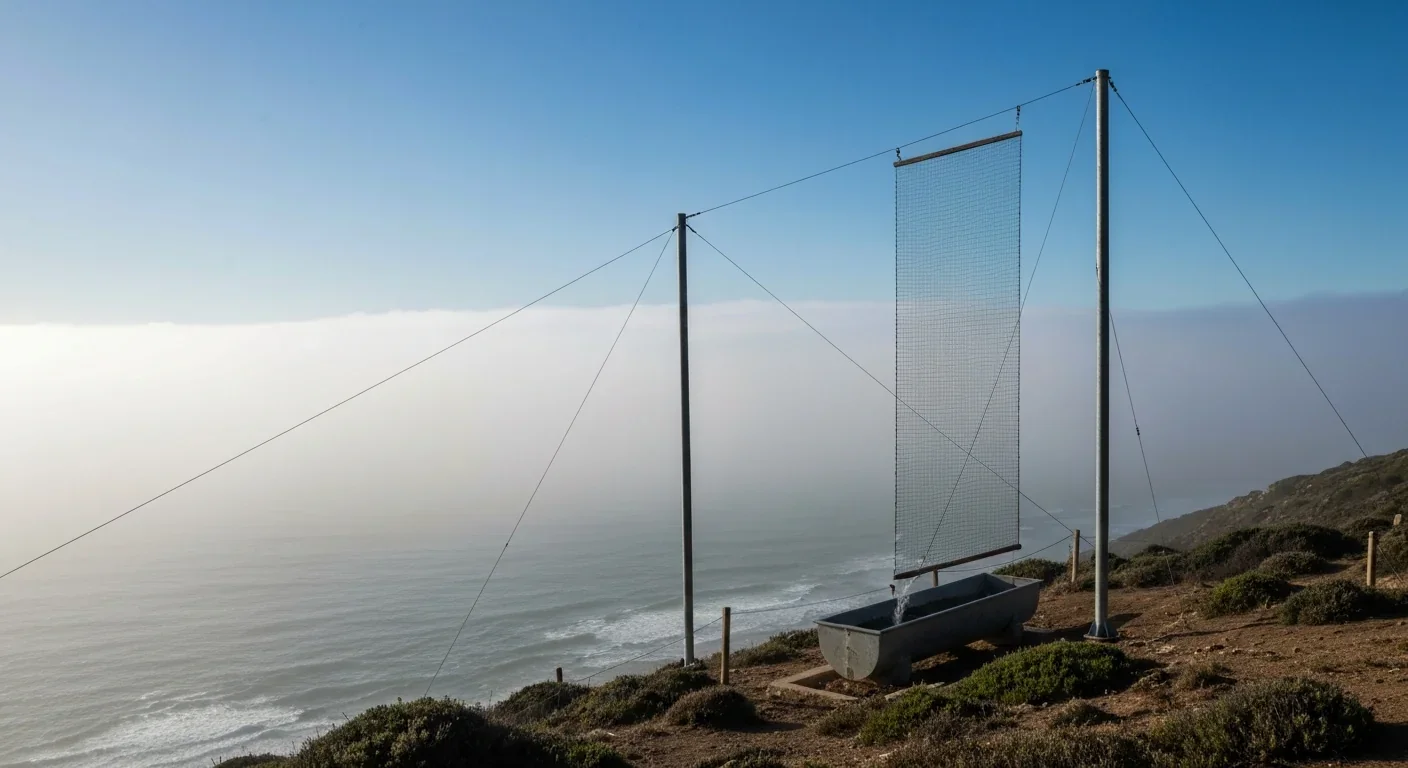
The costs are surprisingly low. Some fog collection projects have achieved costs of $1 to $3 per cubic meter of water collected. For context, desalinated water typically costs $1 to $2.50 per cubic meter but requires enormous energy inputs. Fog collection is passive, renewable, and carbon-neutral.
But collecting fog for human drinking water and irrigating an entire forest ecosystem are very different problems. A single mature redwood can transpire hundreds of gallons of water per day. Scaling fog nets to supplement an entire forest's water budget would require infrastructure on a massive scale. Calculations from Chile's Alto Hospicio project suggest that 17,000 square meters of mesh, roughly two and a half soccer fields, would be needed to produce 300,000 liters of water per week. That's enough for a small community, not a redwood grove.
What makes the current moment different is the convergence of new monitoring tools, computational modeling, and ecological understanding that's giving researchers their first comprehensive picture of how fog actually works across the California coast.
The Pacific Coastal Fog Research project, led by UC Santa Cruz researchers, is deploying fog collectors equipped with sensors measuring carbon and water concentrations, temperature, humidity, wind speed, and solar radiation. "It's the first time we have been funded to carry out interdisciplinary research at a scale that really allows us to answer fundamental questions regarding coastal fog dynamics," says Sara Baguskas.
"It's the first time we have been funded to carry out interdisciplinary research at a scale that really allows us to answer fundamental questions regarding coastal fog dynamics and impacts on ecosystems."
- Sara Baguskas, UC Santa Cruz researcher
Meanwhile, Daniel Fernandez at Cal State Monterey Bay is running the Fog Five project, deploying 15 standardized fog collectors along the coast from Eureka to San Diego to create the first large-scale, comparable dataset on fog metrics. "There are shades of gray in there," Fernandez insists when describing fog trends, emphasizing that fog decline isn't uniform. Some sites may still receive adequate fog while others have dried out.
At a cellular level, researchers are examining how leaf morphology, specifically wax coatings and stomatal density, affects a redwood's capacity to absorb fog water. Fog droplets can be absorbed through both leaf surfaces and bark, enabling trees to capture moisture up to 300 feet above the ground. Understanding these adaptations could inform the design of biomimetic fog-collecting surfaces optimized for forest environments.
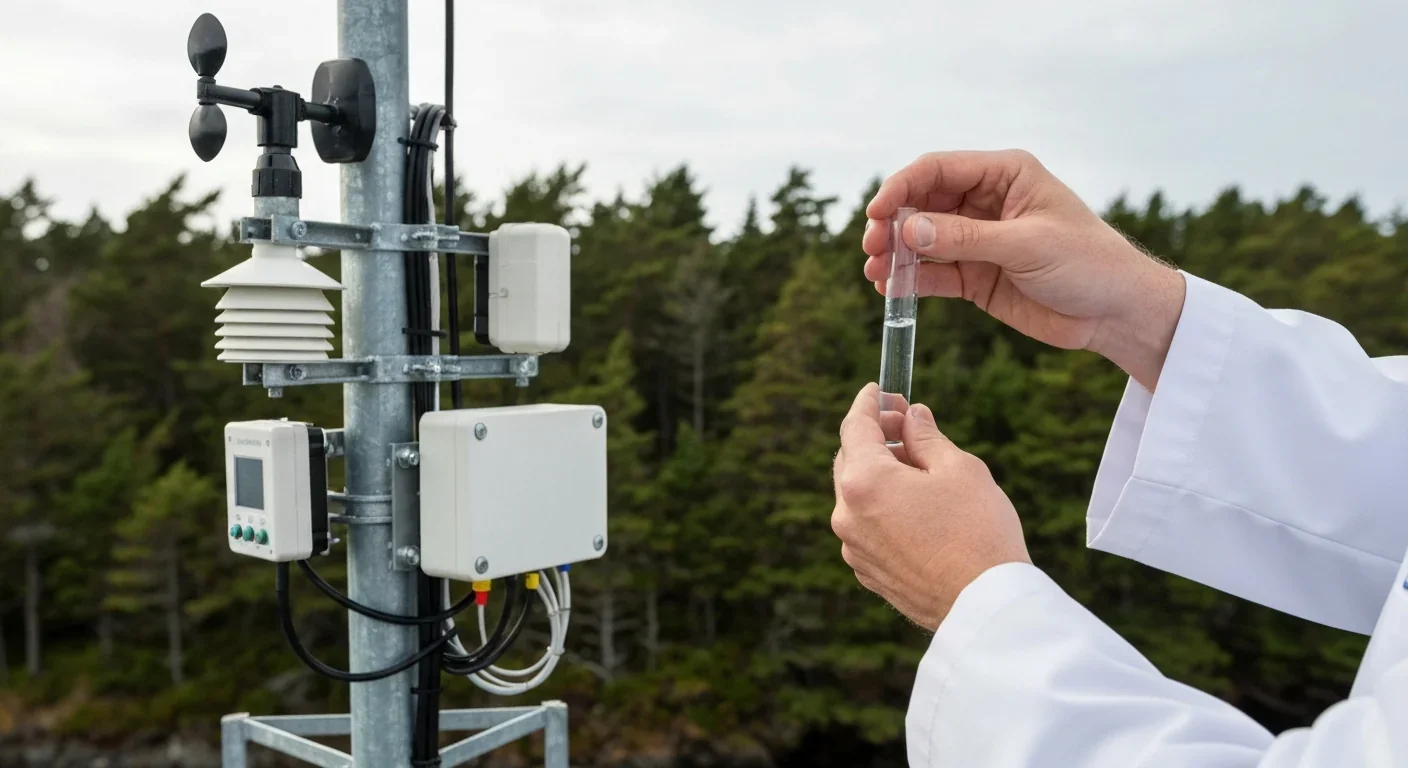
There's also a darker dimension to fog research. UC Santa Cruz scientist Peter Weiss-Penzias has discovered that coastal fog can transport highly toxic methyl mercury from ocean waters over land. "Fog has a much higher propensity, because it lingers in the air and the droplets are really small, so gases and particles can be more easily absorbed," he explains. Any engineered mist system would need to account for fog chemistry, not just fog volume.
The gap between fog-collection technology and forest-scale fog replacement is significant, and researchers are refreshingly honest about it.
First, there's the energy question. Passive fog collectors require no electricity, but they depend entirely on natural wind to push fog through the mesh. Active collectors, which use fans to pull fog through a rectangular apparatus, capture more water but require power, maintenance, and significantly more construction time. In remote forest settings, neither option is straightforward.
Second, seasonality limits the approach. Fog along the California coast is seasonal, concentrated between May and October. Trees need water year-round, and storage infrastructure for millions of liters would add enormous cost and complexity. "Since fog is seasonal in many regions, this variability should be considered," notes researcher Nathalie Verbrugghe.
Third, maintenance in rugged forest terrain poses real problems. Chile's pioneering El Tofo fog collection system, despite its early success, had fallen into poor condition by 2002. Passive collectors also suffer from contamination by bird droppings and debris, requiring regular cleaning that's impractical in dense forest.
Forest-scale fog replacement remains an unsolved engineering problem. Even the most optimistic projections require tens of thousands of square meters of mesh to supplement a single watershed, and long-term maintenance costs in remote terrain are unknown.
Finally, the scale math is humbling. Even if fog nets could produce 2.5 liters per square meter per day on average, supplementing the water budget of even a single redwood grove would require mesh installations stretching across hillsides. Forest-scale application costs remain entirely unknown.
The most thoughtful voices in this space aren't promising that engineered mist will save the redwoods single-handedly. Instead, they see fog technology as one tool in a broader climate-adaptation toolkit.
Other approaches include assisted migration, where seedlings from fog-stressed southern redwood populations are planted in more favorable northern habitats. There's managed thinning to reduce water competition among trees. And there's the simplest strategy of all: protecting existing old-growth forests so the fog-amplifying feedback loop between canopy and atmosphere stays intact.
The Save the Redwoods League has awarded $188,000 in 2024 research grants to four projects focused specifically on fog-water interactions, signaling that institutional money is following the science. Dr. Virginia Carter Gamberini, who leads fog-harvesting research in Chile, argues that "water from the clouds" could "enhance our cities' resilience to climate change, while improving access to clean water". The same principle applies to forests.
What's emerging isn't a plan to blanket the California coast in mesh nets. It's something more subtle: a deeper understanding of how fog works, where it's declining fastest, and which interventions could make the biggest difference at the smallest cost. Targeted mist supplementation in nurseries for young redwoods, fog nets positioned to recharge critical watershed zones, or even mist irrigation systems adapted from greenhouse technology for restoration sites are all plausible near-term applications.
The next decade will determine whether fog engineering moves from concept to practice. The monitoring networks going up along the California coast right now will produce the first data capable of answering where fog loss is most severe and where intervention would matter most. Computational models like Chile's AMARU system, which maps fog-rich zones using measurements and satellite data, could be adapted to California's topography.
The trees themselves are buying time. Mature redwoods can survive drought for years, even decades, drawing on deep root systems and stored moisture. But without the fog that once sustained seedling recruitment, the forest won't regenerate. The question isn't whether old redwoods will die tomorrow. It's whether young ones will grow at all.
That makes this a race against two clocks: the slow decline of fog as oceans warm and atmospheric patterns shift, and the even slower pace of forest regeneration once conditions deteriorate past a tipping point. Engineered mist won't reverse climate change. But if it can keep seedlings alive in critical decades, buy time for natural adaptation, and maintain the moisture regime that holds wildfire at bay, it might be exactly the bridge technology these ancient forests need.
The redwoods have survived ice ages, continental shifts, and the Cretaceous extinction. Whether they can survive us depends on whether we're clever enough to give back what we're taking away.
Project Orion was a real 1960s program to reach other stars by detonating 800 nuclear bombs behind a spacecraft. The physics worked and the engineering was feasible, but the 1963 nuclear test ban treaty killed it. It remains the most credible interstellar spacecraft ever designed.

The locus coeruleus, a tiny brainstem structure, degenerates decades before Alzheimer's symptoms appear. Its loss cripples the brain's inflammation control, waste clearance, and sleep regulation. New imaging tools and noradrenergic therapies offer hope for early detection and prevention.
Research shows the sharing economy often increases total resource consumption through the Jevons paradox and rebound effects. Ride-sharing adds billions of vehicle miles, co-working spaces use more energy per worker, and diffused responsibility erodes conservation behavior. Breaking the paradox requires congestion pricing, accountability design, and matching sharing models to appropriate resource types.

Psychological reactance theory explains why banning or restricting things makes people want them more. From Prohibition to the Streisand effect to scarcity marketing, research shows that threatening people's freedom reliably backfires, and autonomy-supportive communication is far more effective.
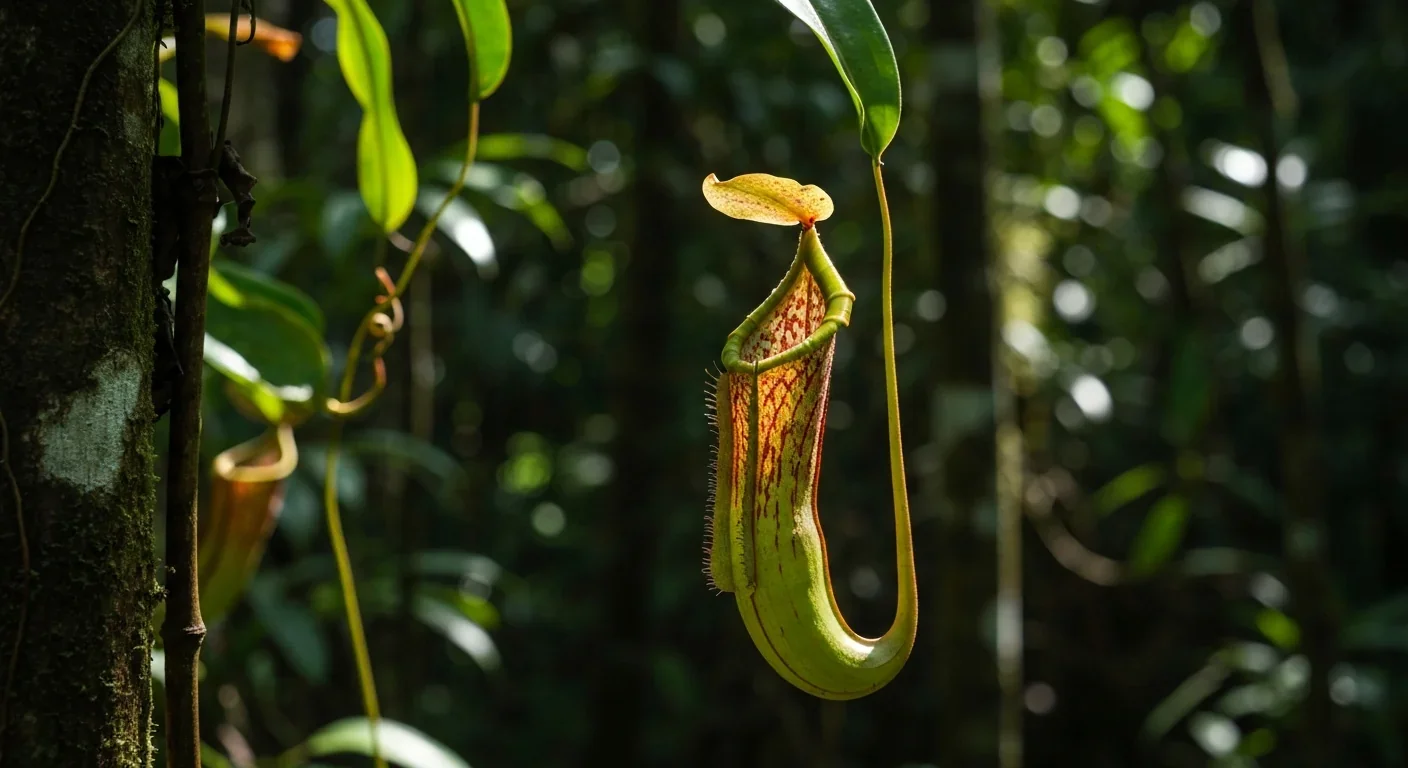
A carnivorous pitcher plant in Borneo evolved to house bats instead of trapping insects, gaining up to 95% of its nitrogen from bat guano. The plant even built an ultrasonic reflector to help bats find it, revealing that carnivory in plants is a flexible spectrum.

The quantified self movement began as a hacker-ethos pursuit of personal insight, but corporate wearables now funnel biometric data to employers, insurers, and data brokers. With 81% of Americans wrongly believing health apps are HIPAA-protected, a regulatory void enables health data to be sold for pennies while generating anxiety instead of empowerment.

CXL memory pooling lets servers dynamically share DRAM over a cache-coherent interconnect, eliminating the 40% stranded memory waste in data centers. With commercial hardware now shipping and Azure deploying CXL cloud instances, this technology promises to cut memory costs by 50% while enabling composable infrastructure.

Loading featured articles...