Sharing Economy's Dirty Secret: More Sharing, More Waste
Sharing Economy's Dirty Secret: More Sharing, More Waste

Scientists Want to Bring Back the Ice Age to Save Us
Whale Pump: How Whale Dung Fertilizes the Ocean

Climate Tipping Cascades: How One Threshold Topples All

Megadrought Is Redrawing the Map of Earth's Ecosystems
Can Engineered Mist Save California's Dying Redwoods?
TL;DR: Iron-air batteries store energy by rusting and de-rusting iron, offering 100-hour grid storage at roughly $20/kWh. Form Energy is shipping its first commercial units from a West Virginia factory, with major deals including a 30 GWh system for Google.
The next technological revolution won't come from a Silicon Valley garage or a quantum computing lab. It will come from rust. Specifically, from a battery that rusts on purpose, breathes air like a living thing, and could store enough electricity to keep entire cities powered through days of still, cloudy weather. While the world has been fixated on lithium-ion as the answer to clean energy storage, a Massachusetts-based startup called Form Energy has been quietly building something that could change the math entirely. Their weapon? Iron, water, and the atmosphere itself.
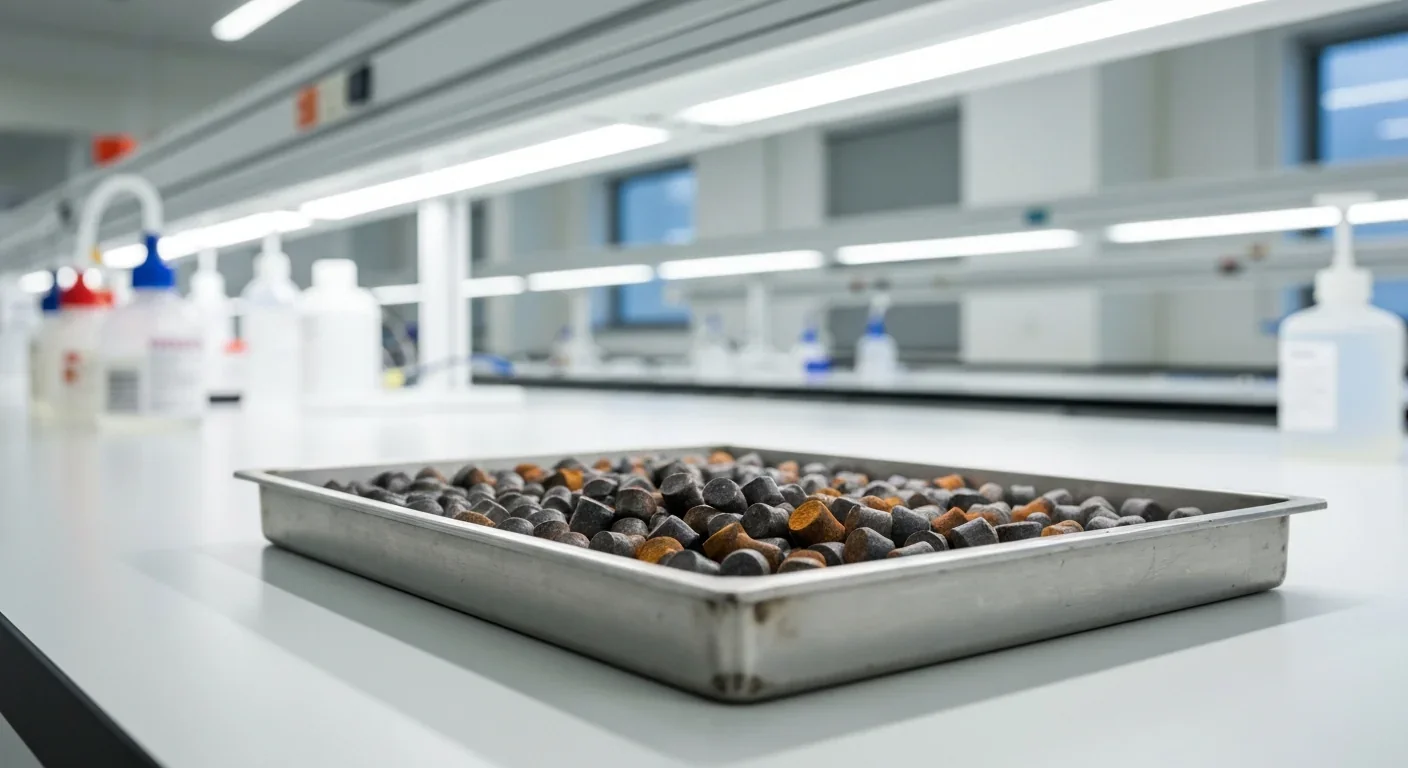
The idea sounds almost too simple. Take iron pellets, let them rust in a controlled way, and capture the electrons that flow during that chemical reaction. Then reverse the process with electricity, turning the rust back into iron. Do it again. And again. For roughly $20 per kilowatt-hour, about one-tenth the cost of lithium-ion batteries, you get a system that can store energy for 100 hours or more. That's not a typo. Four full days of backup power from a battery made of the most common metal on Earth.
Here's how it works at the molecular level. During discharge, each iron-air battery cell absorbs oxygen from the surrounding air. That oxygen reacts with iron pellets inside the cell, converting them into iron oxide, which is just a fancy term for rust. This oxidation reaction releases electrons, which flow through an external circuit and produce usable electricity. The battery essentially breathes in while it works.
Charging reverses the whole thing. When excess electricity from the grid flows back into the battery, it strips the oxygen away from the iron oxide, restoring the iron to its original metallic state. The battery exhales oxygen back into the air.
"When the battery is discharging, we are actually taking the iron and turning it into a special type of rust, and when we are charging the battery we are taking the rust back into iron, and we do this over and over again while the battery is breathing in and out the oxygen from atmospheric air."
- Aytac Yilmaz, CEO of Ore Energy
The water-based electrolyte that enables this reaction is cheap and non-flammable. Unlike lithium-ion cells, which use volatile organic solvents that can catch fire or even explode, iron-air batteries operate at ambient temperature with what amounts to a saltwater bath. As John-Joseph Marie of the Faraday Institution noted, "you can't set fire to water."
The cell voltage is modest at about 1.3 volts, and the practical energy density is low compared to lithium-ion. But for stationary grid storage, where weight and volume barely matter, that tradeoff is perfectly acceptable. You're not putting these in a smartphone. You're putting them next to a power plant.
Energy storage isn't a new obsession. Thomas Edison patented a nickel-iron battery in 1901, convinced it would power electric cars. His batteries were robust and long-lasting, but too heavy and inefficient to compete with gasoline engines. For over a century, the fundamental challenge has remained the same: how do you store large amounts of energy cheaply enough to make it practical?
The lithium-ion revolution that began in the 1990s transformed portable electronics and electric vehicles. But lithium-ion was designed for high energy density in small packages. When grid planners started deploying these batteries at utility scale, they quickly discovered a painful limitation. Most lithium-ion installations deliver four to six hours of storage. That's enough to smooth out a few hours of cloud cover or shift solar power into the evening peak. It is nowhere near enough to handle the multi-day weather events that every grid operator dreads.
Grid engineers have a term borrowed from German: the "Dunkelflaute," or dark calm. It describes those brutal winter stretches when the sun barely shines and the wind refuses to blow, sometimes for three to five consecutive days. During these episodes, solar and wind generation can drop to near zero. If your storage can only last six hours, you have a problem that no amount of lithium-ion can solve economically.
Previous attempts at long-duration storage have had mixed results. Pumped hydro remains the world's largest form of grid storage, but it requires specific geography, mountains, and water, and takes a decade to permit and build. Compressed air energy storage needs underground caverns. Green hydrogen is expensive to produce and loses 60 to 70 percent of its energy in the round trip from electricity to gas and back again.
Vanadium redox flow batteries offer longer duration than lithium-ion, but vanadium is expensive and the systems are complex. What the grid needs is something cheap, scalable, and capable of sitting idle for days before delivering power on demand. Iron-air batteries fit that description with almost suspicious precision.
The historical parallel isn't hard to see. Just as coal replaced wood, and natural gas displaced coal for peaking power, the next shift may come from a technology so humble it borders on absurd. The most abundant metal on the planet, combined with the air we breathe, tackling the hardest problem in renewable energy.
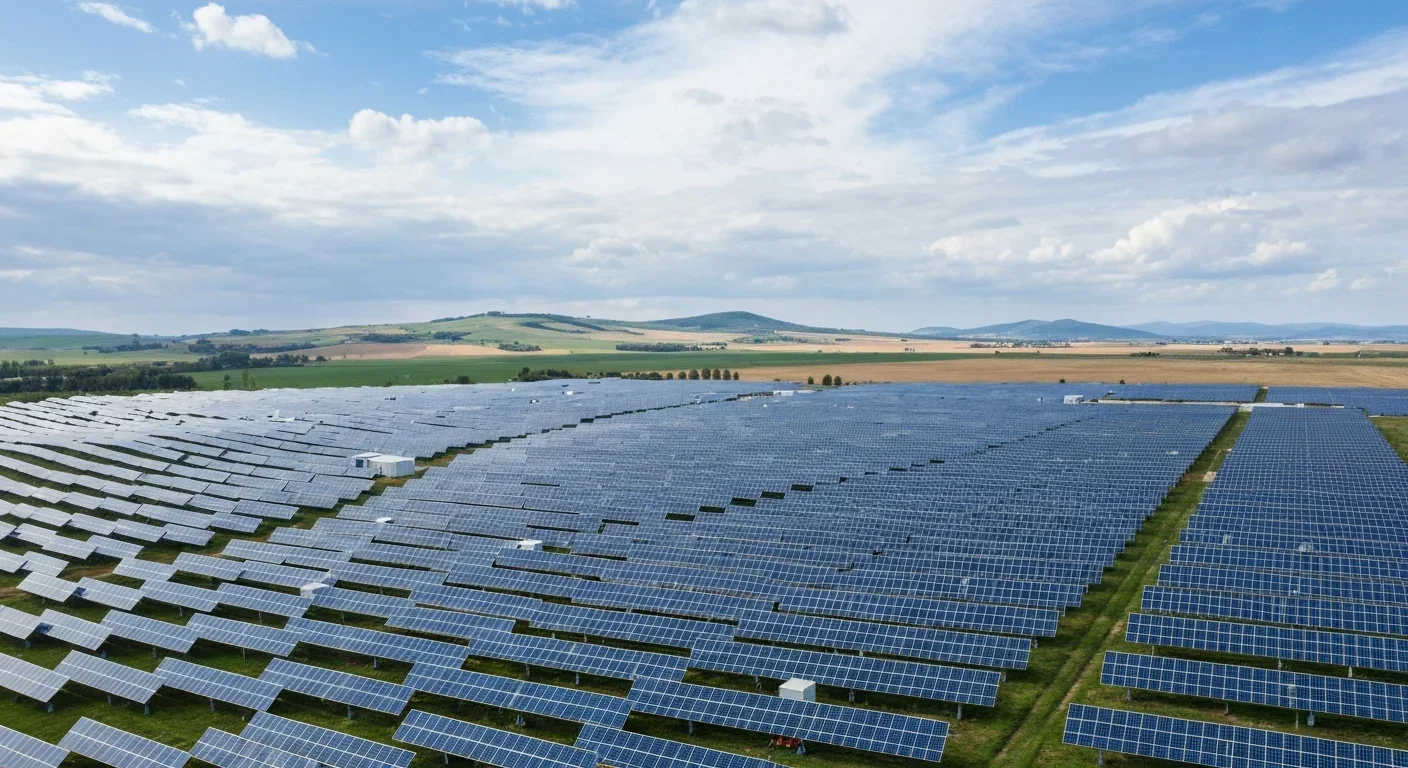
The cost numbers tell a compelling story. Form Energy targets a system cost below $20 per kilowatt-hour for its 100-hour battery. Compare that with lithium-ion, which currently sits at $130 to $150 per kilowatt-hour for grid-scale installations. That's not a marginal improvement. It's a different economic universe.
Where does the savings come from? Almost entirely from materials. The iron ore in an iron-air battery costs roughly $0.10 per kilowatt-hour. The aqueous electrolyte adds about a penny. There's no cobalt, no nickel, no lithium, none of the expensive, geopolitically fraught minerals that dominate lithium-ion supply chains. Iron is the most mined metal in the world, produced in every industrialized country.
Iron-air batteries target a cost of $20/kWh, roughly one-seventh the price of lithium-ion grid storage. The raw materials, iron ore and water, cost about eleven cents per kilowatt-hour combined.
This supply chain advantage isn't just about price. It's about energy security. Nations that lack lithium deposits or cobalt mines can still build iron-air storage from domestic resources. For countries racing to decarbonize their grids, that independence from volatile mineral markets is strategically important.
There's a subtler economic argument too. Iron-air's round-trip efficiency of 40 to 60 percent looks terrible next to lithium-ion's 85 to 95 percent. You lose roughly half the electricity you put in. But here's the twist: when you're charging with curtailed renewable energy that would otherwise go to waste, the input electricity costs nearly nothing. Losing half of zero is still zero. For multi-day storage, the levelized cost of storage still favors iron-air over every alternative.
Mark Loveridge, Commercial Director of Renewable Exchange, summed it up bluntly: "The cost per kilowatt-hour is the deciding factor and iron-air targets a price point below $20 per kWh, a fraction of lithium-ion's cost."
Form Energy was founded in 2017 with backing from Bill Gates's Breakthrough Energy Ventures. In the years since, the company has moved from laboratory prototypes to a fully operational manufacturing facility with remarkable speed.
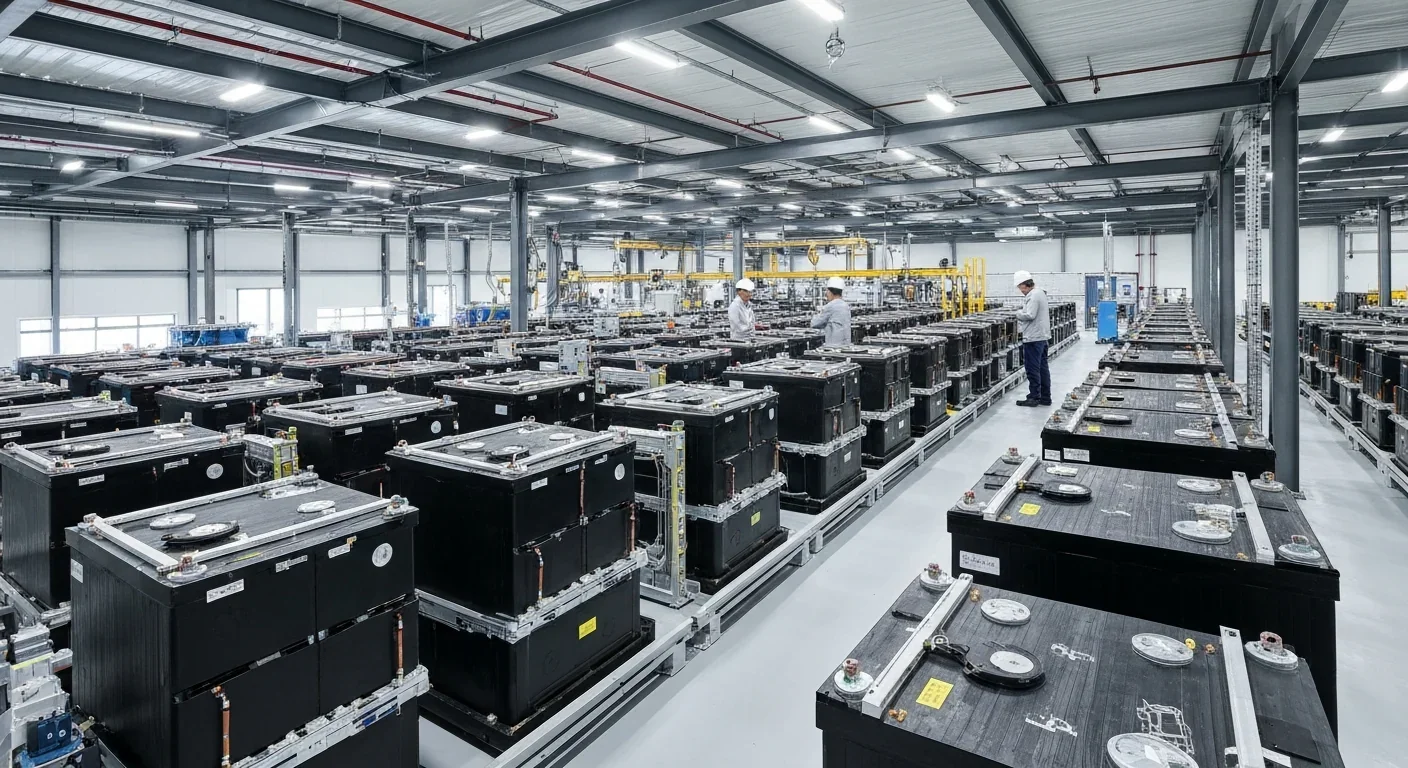
The centerpiece is Form Factory 1, a 550,000-square-foot manufacturing plant in Weirton, West Virginia, built on the site of a former steel mill. The symbolism is hard to miss. An old steel town, once defined by iron and heavy industry, is now building the next generation of iron-based energy technology. As Weirton Mayor Dean Harris reflected, "We have to remember we're an old steel town." The $760 million facility employs over 450 people with plans to hire several hundred more.
The factory opened in September 2024 and has already produced over 100,000 electrodes, equivalent to roughly 100 kilometers of electrode material. Production involves 100 unique, tightly controlled steps per electrode, with high automation for electrode manufacturing and semi-automation for cell and module assembly.
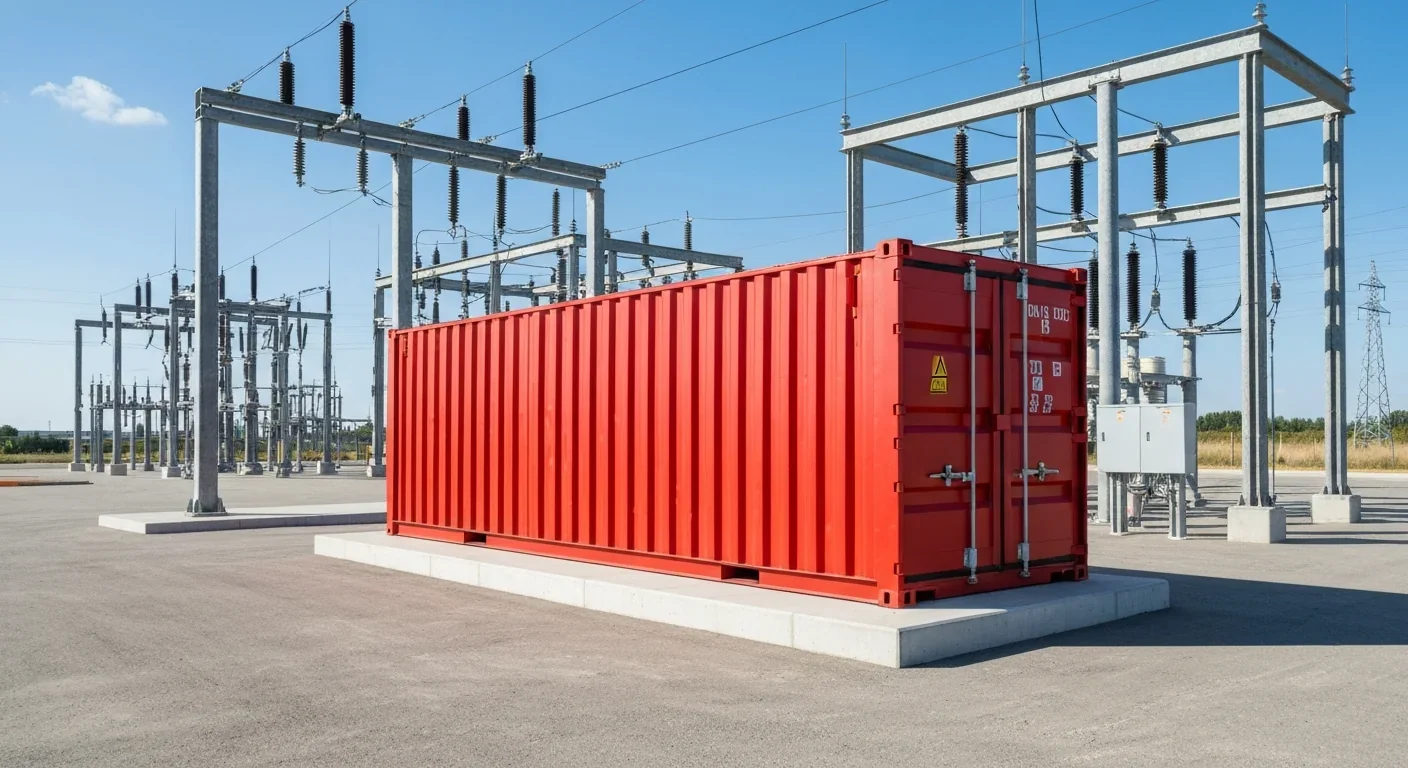
The first commercial shipments were headed to Great River Energy in Minnesota, with roughly 40 shipping containers slated for transport. That 1.5-megawatt, 150-megawatt-hour system in Cambridge, Minnesota, represents the first commercial deployment of iron-air storage technology, expected to be operational by late 2025.
But the pipeline extends far beyond that pilot. Form Energy landed a landmark deal with Google and Xcel Energy for a 300-megawatt, 30-gigawatt-hour iron-air battery system to power a data center in Minnesota. At 30 GWh, CEO Mateo Jaramillo called it "the largest battery system by energy capacity ever announced globally." The company also has contracts with Georgia Power, a 10-megawatt system for FuturEnergy Ireland, and a 12-gigawatt-hour deal with AI infrastructure company Crusoe, beginning in 2027.
Financing has kept pace with ambition. Form Energy raised $405 million in Series F funding in 2024, led by T. Rowe Price with participation from GE Vernova. The U.S. Department of Energy has committed up to $150 million in support. The factory is on track to reach 500 megawatts of annual production capacity by 2028, with plans to eventually scale to 1 gigawatt per year.
Why does 100-hour storage matter so much? Because the grid of the future has a weather vulnerability that shorter batteries can't fix.
"Xcel values long-duration energy storage for its ability to bridge periods of low wind and solar generation, such as during the middle of winter when we can see several days of cloudy weather with very little wind."
- Kevin Coss, Xcel Energy spokesperson
A four-hour lithium-ion battery handles daily solar smoothing just fine. But a five-day Dunkelflaute in January, when heating demand peaks and renewable output collapses, requires something fundamentally different. Iron-air's ability to discharge continuously for 100 hours fills exactly that gap. One megawatt-hour, stored in a standard shipping container, can supply more than a month of electricity to a typical American home.
California's Energy Commission clearly sees the need, awarding a $30 million grant for a 1.5-megawatt iron-air pilot near a PG&E substation. The state's Long-Duration Storage Program targets 50 gigawatts of storage by 2045, with a significant share expected from multi-day technologies. Form Energy's batteries are specifically designed to ride out these worst-case weather scenarios without firing up a single gas peaker plant.
Iron-air batteries are not magic, and honest assessment demands acknowledging what they can't do well.
The round-trip efficiency of 40 to 60 percent means significant energy losses during each charge-discharge cycle. That makes iron-air impractical for applications requiring rapid, frequent cycling, the daily arbitrage that lithium-ion handles profitably.
Energy density is roughly one-tenth of lithium-ion's. These batteries are heavy and bulky, which is fine for stationary installations but rules out electric vehicles, smartphones, or anything mobile. Iron-air batteries occupy their own niche.
Iron-air batteries aren't trying to replace lithium-ion. They're solving a fundamentally different problem: storing energy for days, not hours. The two technologies are complementary, not competitive.
Cycle life is a genuine concern. Current estimates suggest 500 to 3,000 cycles, compared to 3,000 to 7,000 for lithium-ion. Early laboratory experiments with complete iron-air cells achieved only 20 to 30 cycles before performance degraded, though isolated iron electrodes lasted thousands of cycles, pointing to the air electrode as the bottleneck. Form Energy's proprietary design uses a PTFE-based breathable membrane to protect the air electrode from CO2 degradation, but proving longevity at commercial scale remains an open question.
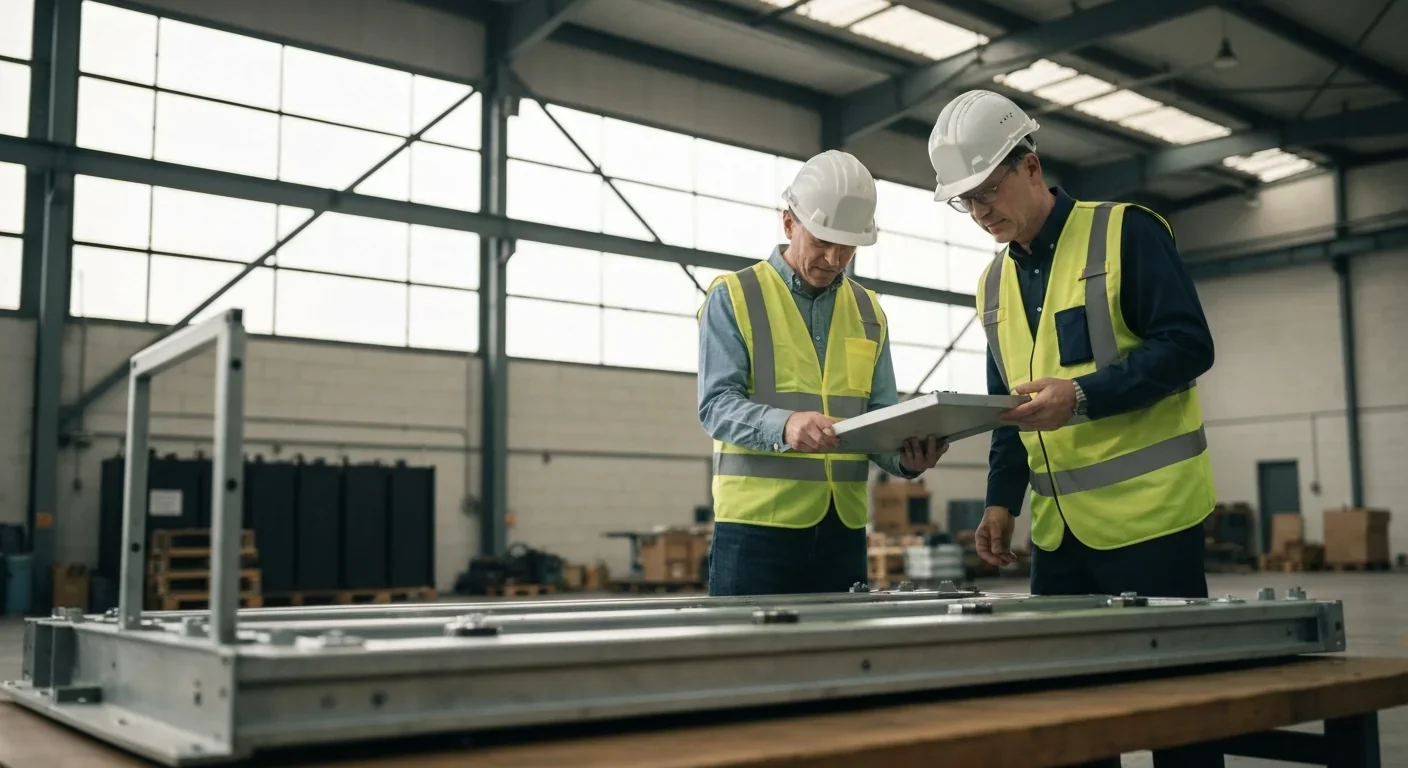
Manufacturing complexity is another hurdle. Each electrode requires 100 unique production steps, and cell assembly isn't yet fully automated. Scaling from hundreds of megawatts to gigawatts will demand significant engineering breakthroughs in production speed and quality control.
Form Energy isn't operating in a vacuum. The long-duration energy storage market is attracting competitors worldwide, each betting on different chemistry.
In Europe, Netherlands-based Ore Energy connected the world's first iron-air battery to a public grid at Delft University in July 2025. While smaller in scale than Form Energy's projects, this milestone demonstrated that iron-air can meet real-time grid standards. Germany's Fraunhofer Institute is developing next-generation iron-air cells targeting 250 Wh/kg energy density and 60 percent efficiency, a substantial improvement over current prototypes.
Beyond iron-air, competing approaches are also gaining traction. Chinese companies dominate vanadium flow battery manufacturing. Compressed air energy storage projects are under construction in multiple countries. Green hydrogen, despite its efficiency penalty, benefits from massive policy support in Europe and Asia.
What separates iron-air from these alternatives is accessibility. Flow batteries require exotic electrolytes. Hydrogen needs specialized infrastructure. Compressed air needs caves. Iron-air needs iron, water, and air, materials available in virtually every country on Earth. That universality could prove decisive as developing nations build out their grids.
The policy environment is accelerating deployment. In the United States, the Inflation Reduction Act provides manufacturing tax credits that benefit domestic battery production. The Department of Energy's loan and grant programs have already committed $150 million to Form Energy. California and Minnesota are emerging as early adoption hubs, with utility regulators increasingly open to multi-day storage as part of integrated resource plans.
Within the next decade, you'll likely see iron-air batteries sitting alongside solar farms and wind installations in your region. The contracts already signed total around 200 megawatts, with the Google deal alone adding 30 gigawatt-hours of planned capacity. If Form Energy and its competitors deliver on their promises, the economics of grid storage shift permanently.
The implications extend beyond electricity. Data centers, which consume enormous and growing amounts of power, are already signing up for iron-air storage to guarantee 24/7 clean energy. Industrial facilities that need reliable backup power may find iron-air cheaper than diesel generators. Communities vulnerable to extreme weather events could gain resilience that was previously unaffordable.
The story of iron-air batteries is ultimately about something older than any technology: human ingenuity finding value in what nature offers freely. Iron rusts. It always has. We spent millennia fighting corrosion, painting bridges, coating ships, treating it as the enemy. Now a growing number of engineers and investors are asking a different question: what if rust is actually the answer?
The battery that rusts on purpose won't replace lithium-ion. It doesn't need to. It needs to do the one thing lithium-ion can't, keep the lights on when the wind stops and the sun hides for days. If Form Energy's factory in Weirton is any indication, the age of rust-powered grids is not a distant fantasy. It's under construction right now.
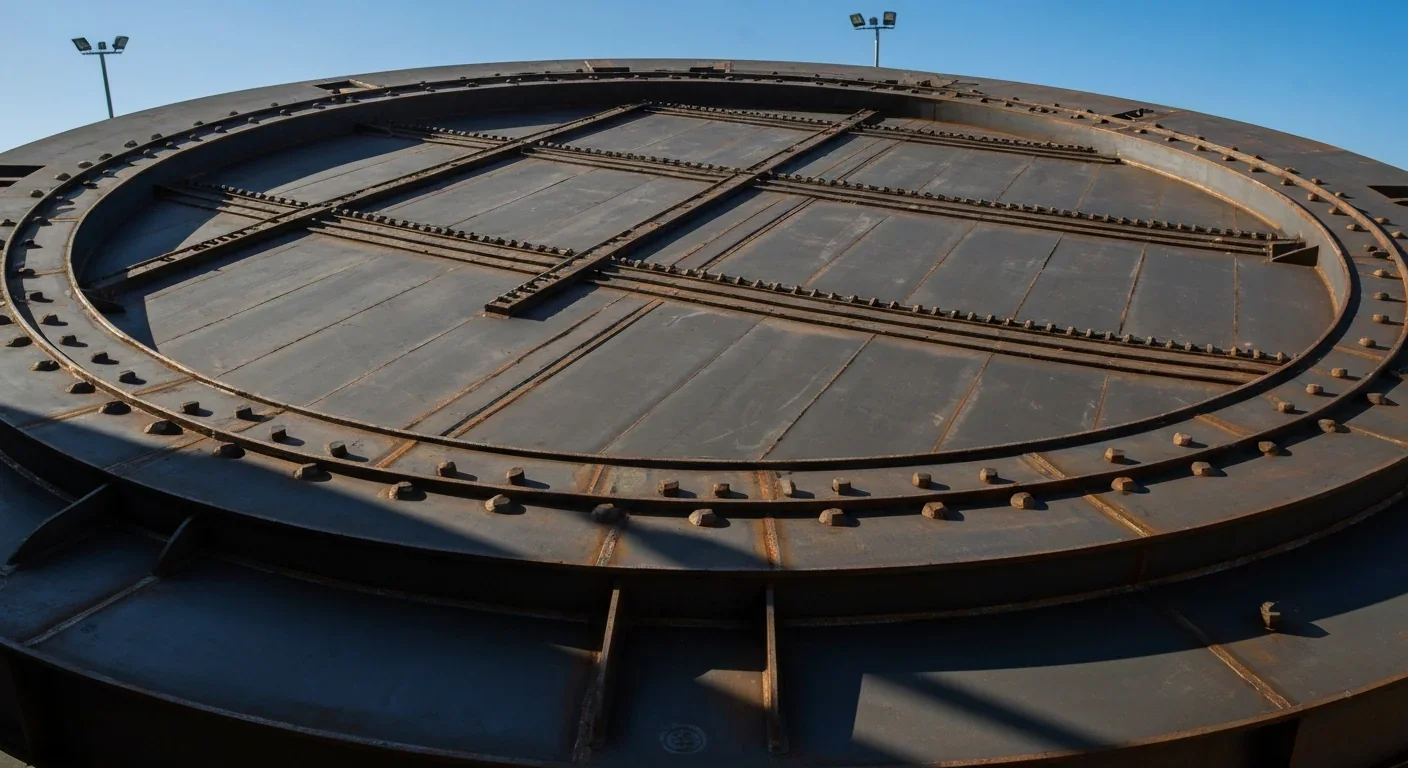
Project Orion was a real 1960s program to reach other stars by detonating 800 nuclear bombs behind a spacecraft. The physics worked and the engineering was feasible, but the 1963 nuclear test ban treaty killed it. It remains the most credible interstellar spacecraft ever designed.
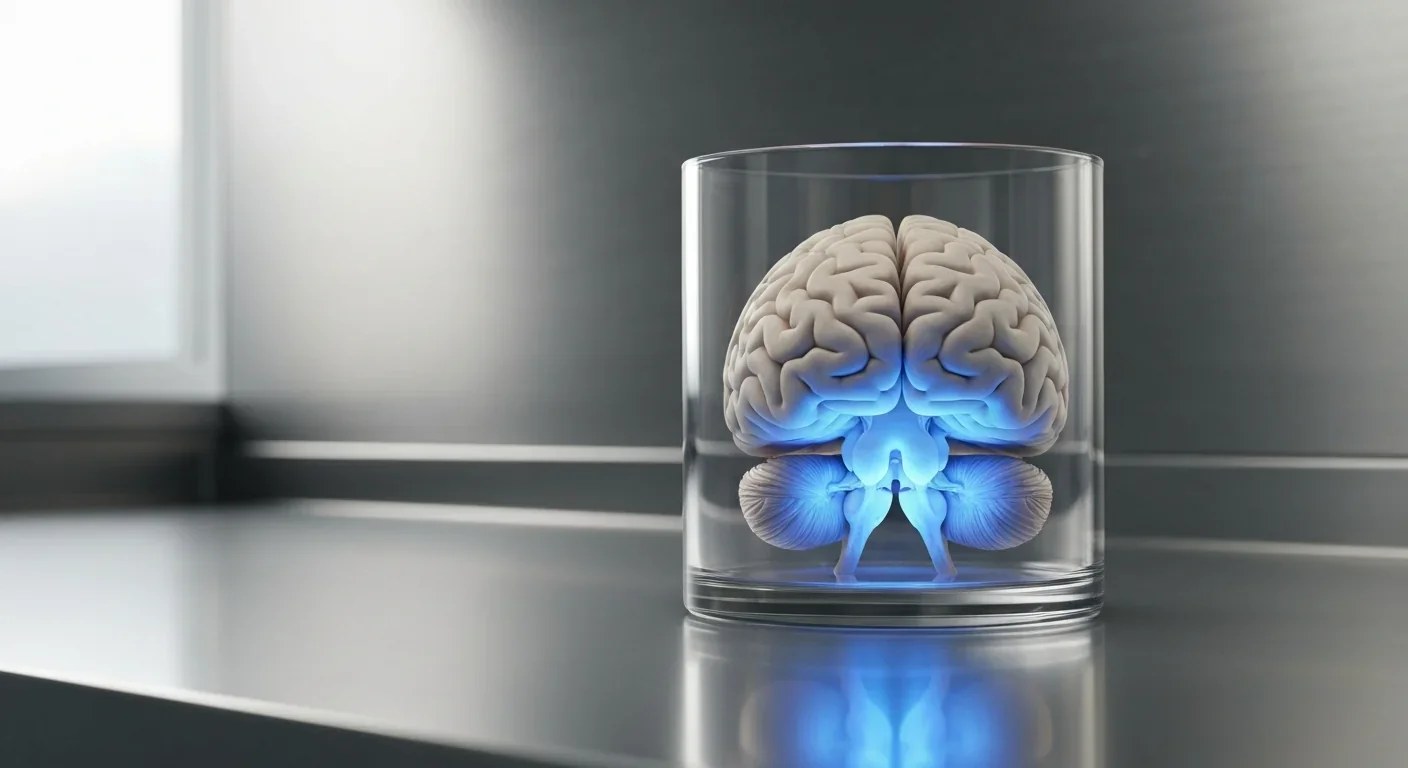
The locus coeruleus, a tiny brainstem structure, degenerates decades before Alzheimer's symptoms appear. Its loss cripples the brain's inflammation control, waste clearance, and sleep regulation. New imaging tools and noradrenergic therapies offer hope for early detection and prevention.
Research shows the sharing economy often increases total resource consumption through the Jevons paradox and rebound effects. Ride-sharing adds billions of vehicle miles, co-working spaces use more energy per worker, and diffused responsibility erodes conservation behavior. Breaking the paradox requires congestion pricing, accountability design, and matching sharing models to appropriate resource types.
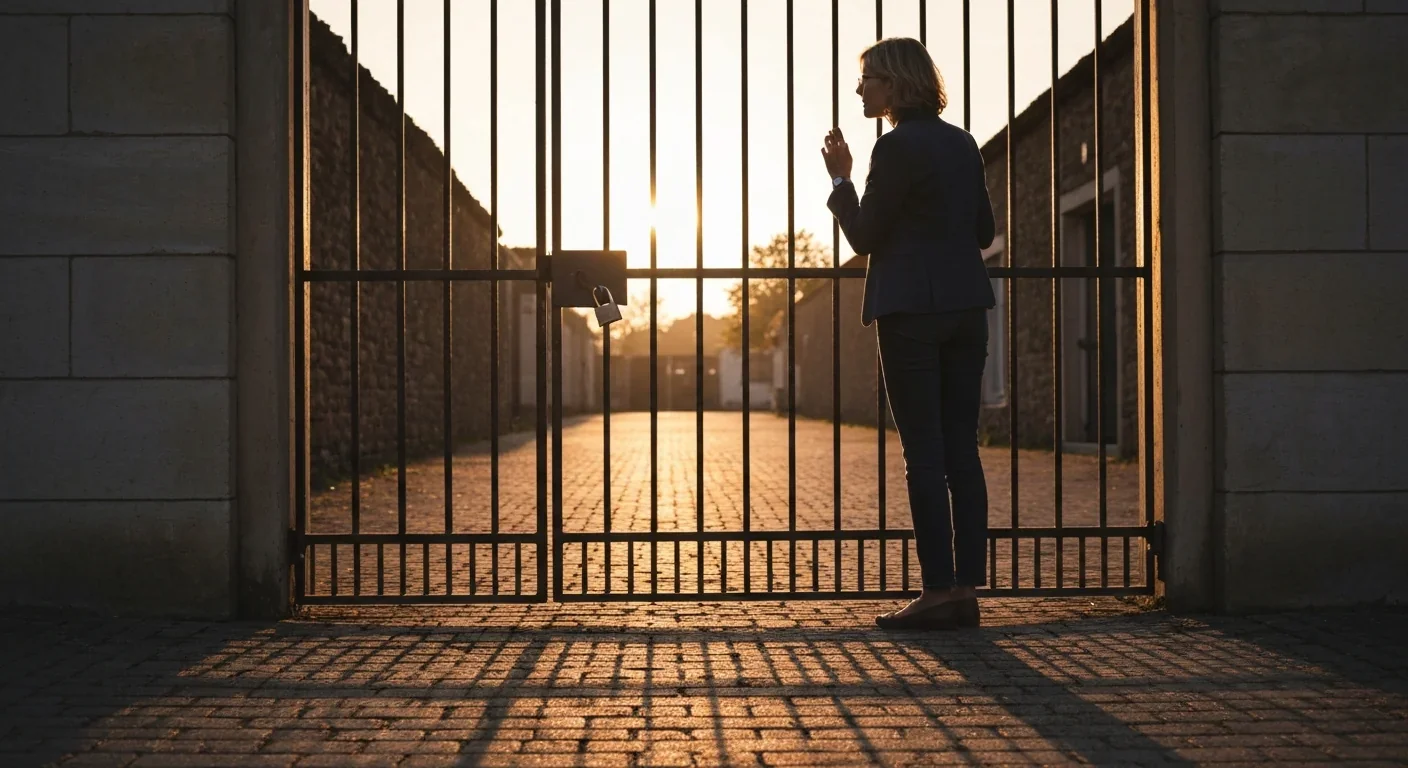
Psychological reactance theory explains why banning or restricting things makes people want them more. From Prohibition to the Streisand effect to scarcity marketing, research shows that threatening people's freedom reliably backfires, and autonomy-supportive communication is far more effective.

A carnivorous pitcher plant in Borneo evolved to house bats instead of trapping insects, gaining up to 95% of its nitrogen from bat guano. The plant even built an ultrasonic reflector to help bats find it, revealing that carnivory in plants is a flexible spectrum.

The quantified self movement began as a hacker-ethos pursuit of personal insight, but corporate wearables now funnel biometric data to employers, insurers, and data brokers. With 81% of Americans wrongly believing health apps are HIPAA-protected, a regulatory void enables health data to be sold for pennies while generating anxiety instead of empowerment.
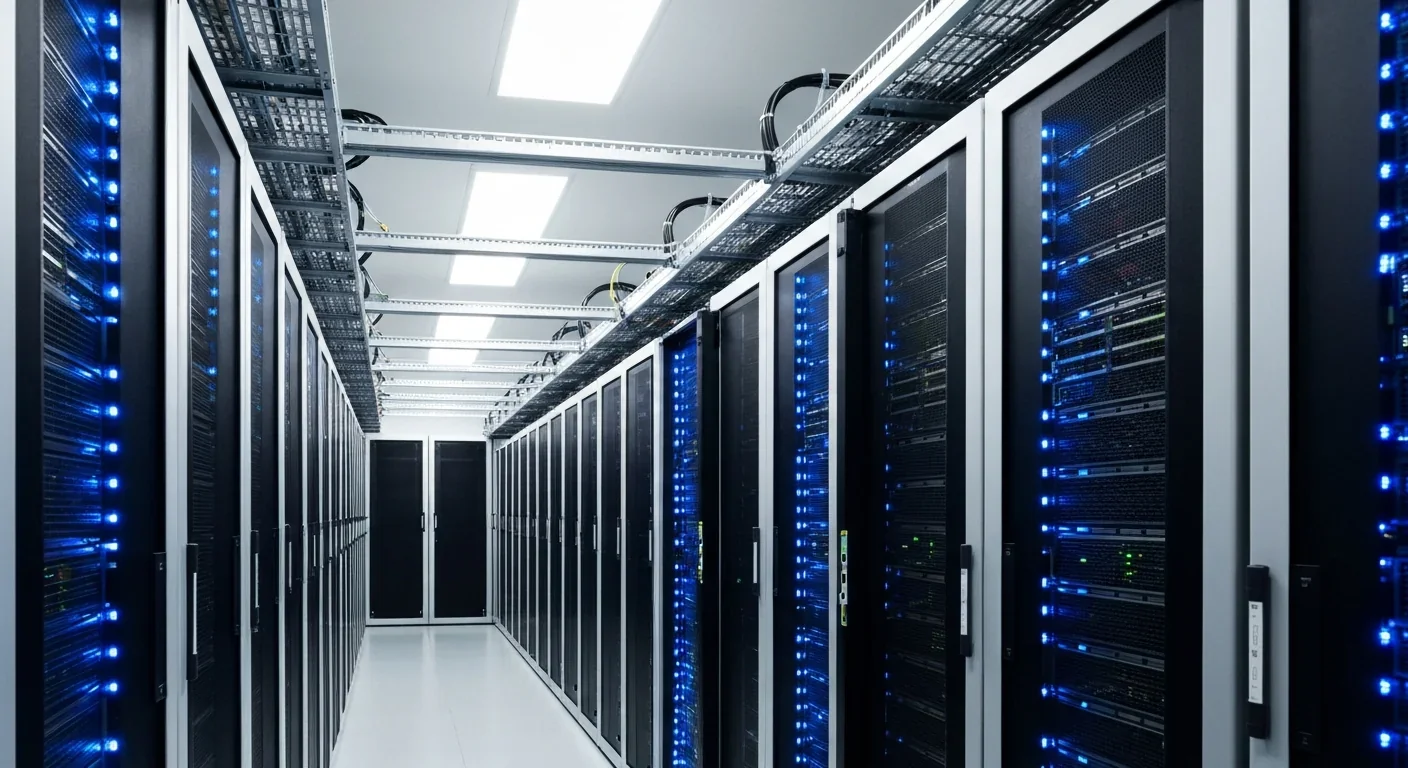
CXL memory pooling lets servers dynamically share DRAM over a cache-coherent interconnect, eliminating the 40% stranded memory waste in data centers. With commercial hardware now shipping and Azure deploying CXL cloud instances, this technology promises to cut memory costs by 50% while enabling composable infrastructure.

Loading featured articles...