Sharing Economy's Dirty Secret: More Sharing, More Waste
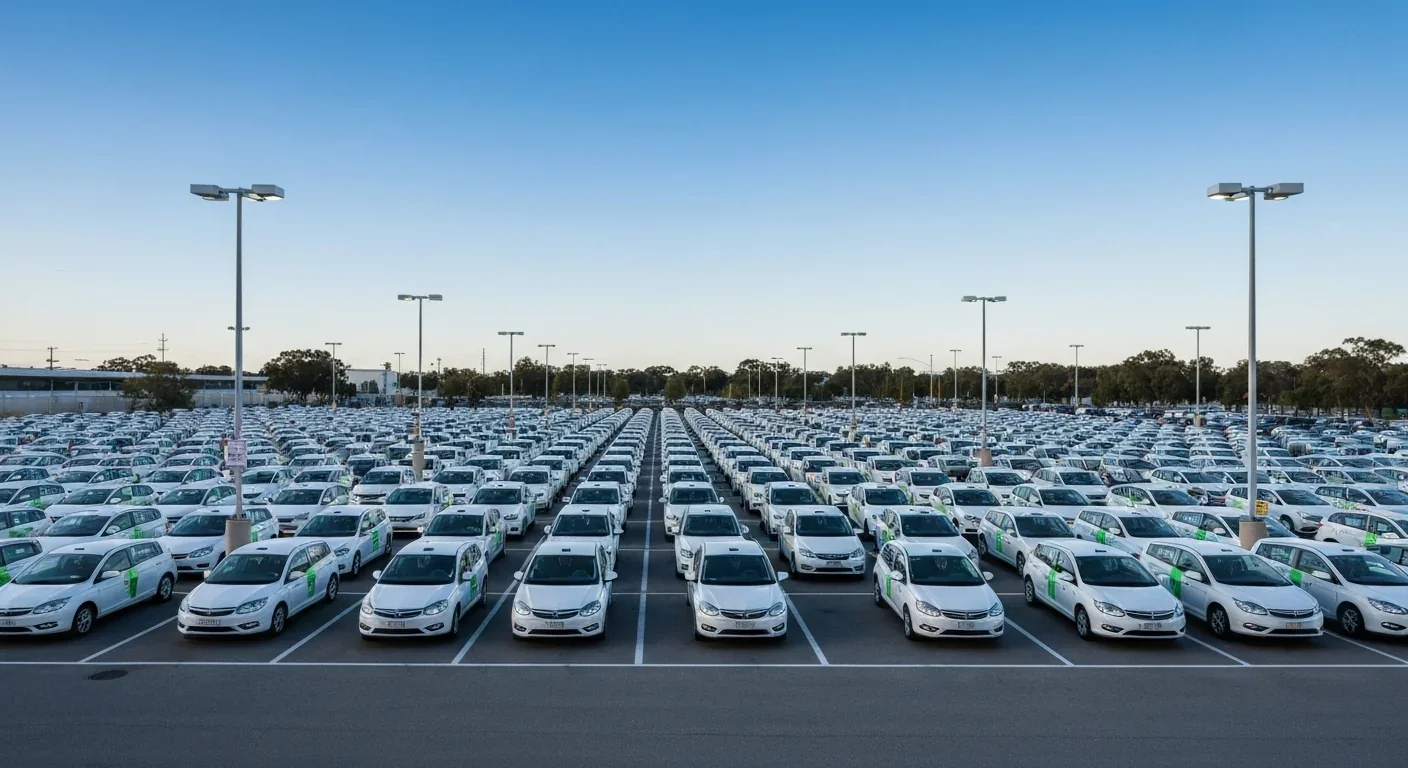
Sharing Economy's Dirty Secret: More Sharing, More Waste

Scientists Want to Bring Back the Ice Age to Save Us
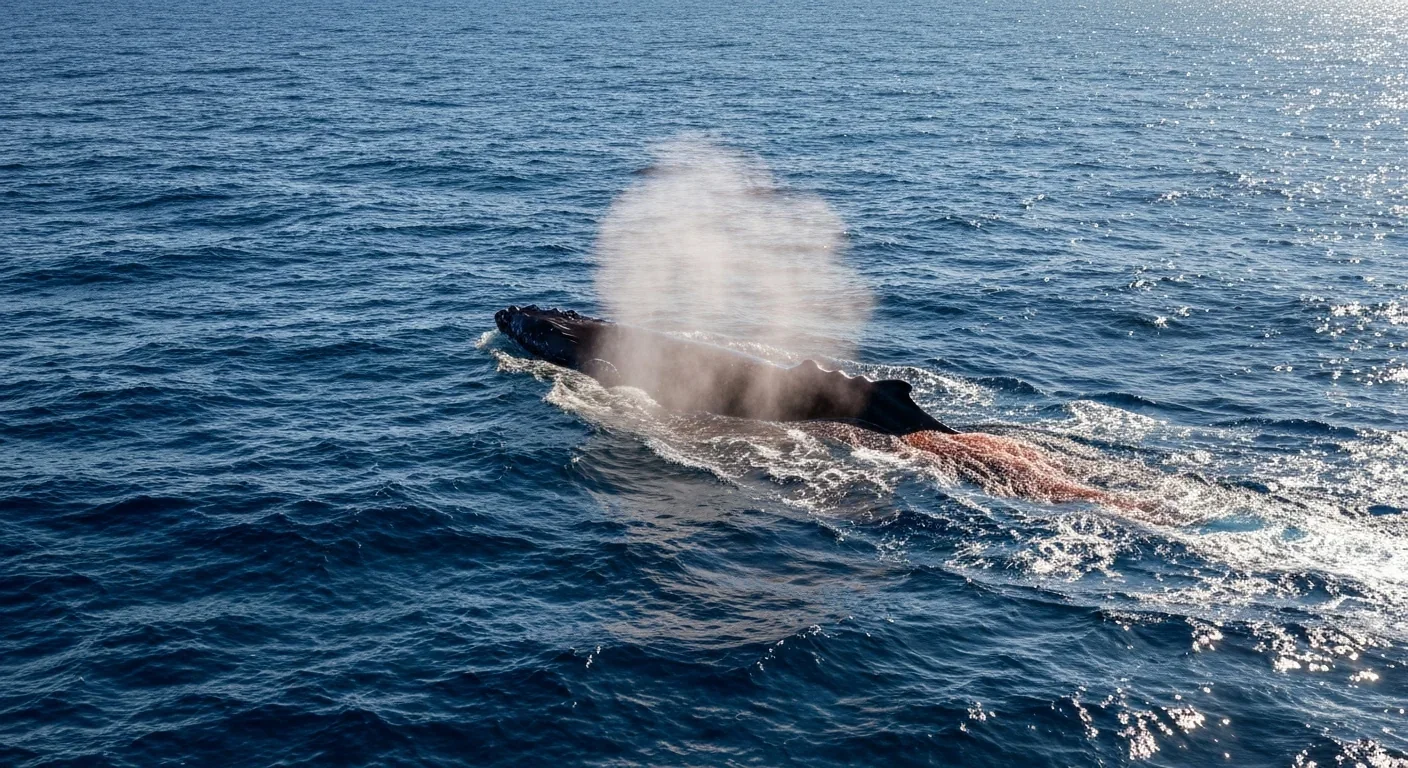
Whale Pump: How Whale Dung Fertilizes the Ocean
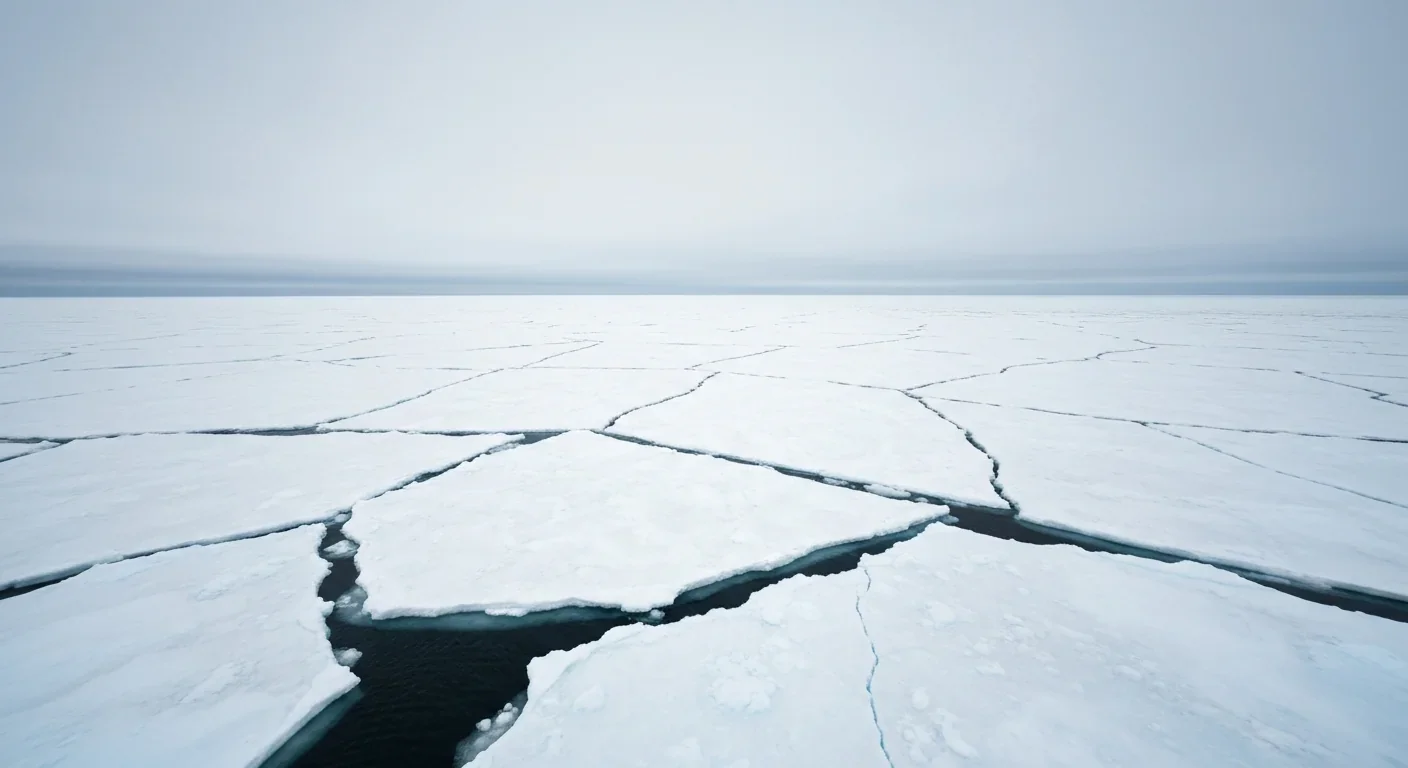
Climate Tipping Cascades: How One Threshold Topples All
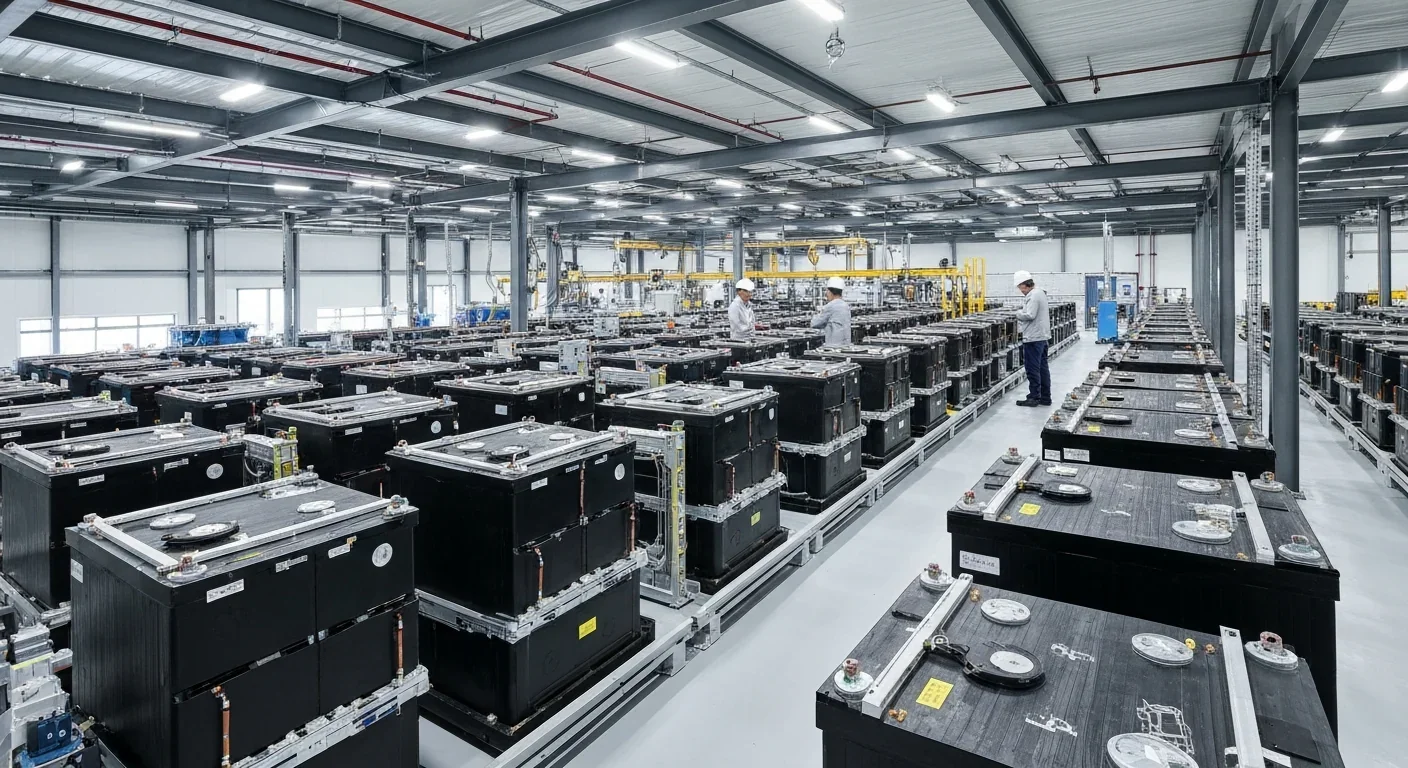
Iron-Air Batteries Could Solve Renewable Energy Storage
Megadrought Is Redrawing the Map of Earth's Ecosystems
TL;DR: Aquaponics combines fish farming with plant cultivation in a closed-loop system using 90-99% less water than traditional farming. While promising for urban food production and water-stressed regions, success requires mastering complex biological systems and realistic economic planning.
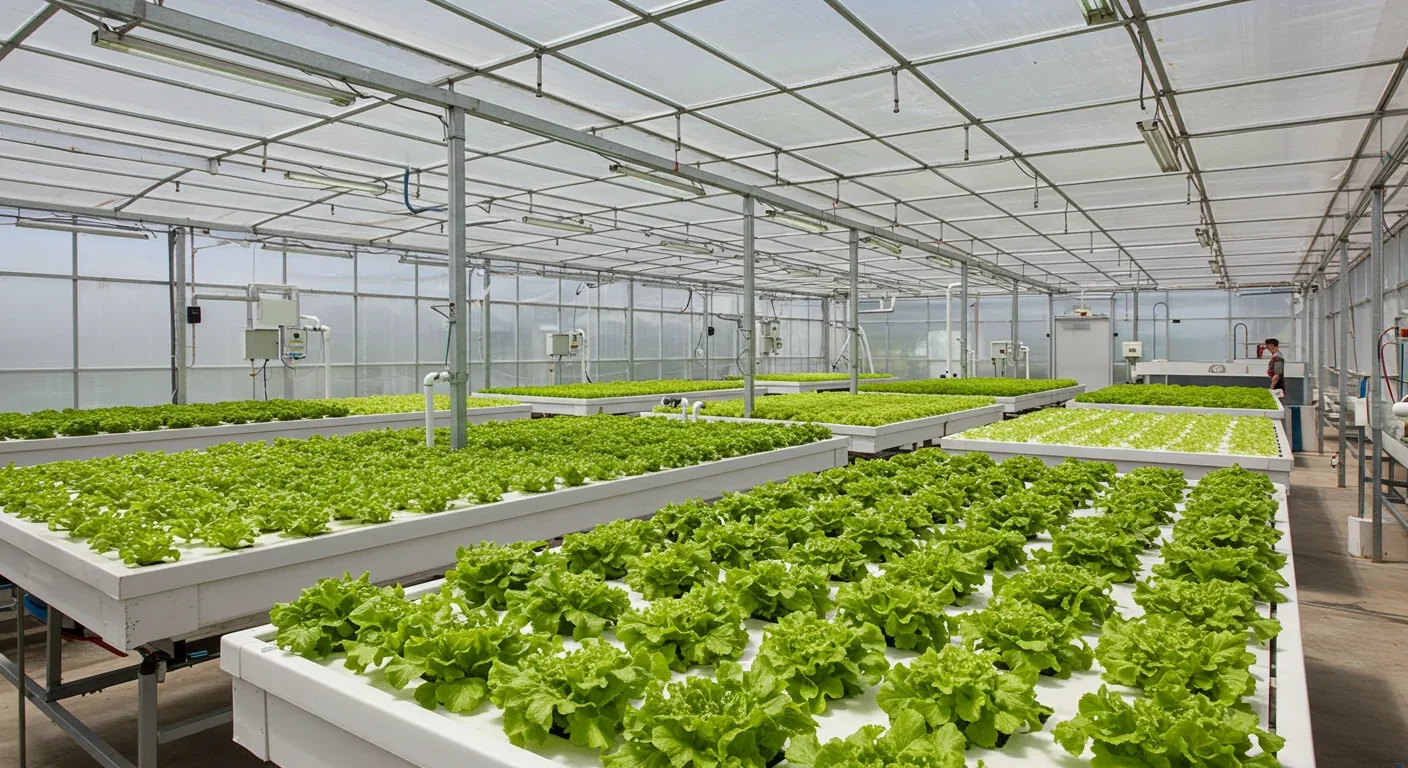
By 2050, we'll need to produce 50% more food for a population pushing 10 billion, yet freshwater is already becoming the century's most precious commodity. Traditional agriculture gulps down 70% of our water supply while chemical runoff chokes rivers and oceans. But in warehouses from Brooklyn to Bangalore, a centuries-old farming method is being reimagined with space-age precision - and it might just save us from choosing between eating and drinking.
Welcome to aquaponics, where tilapia are the new tractors.
At its core, aquaponics sounds almost too elegant to be true: fish swim in tanks, producing ammonia-rich waste. Bacteria living in grow beds convert that ammonia first into nitrites, then into nitrates - the exact nutrients plants crave. The plants absorb these nitrates through their roots, effectively scrubbing the water clean. That purified water flows back to the fish tanks, and the cycle continues indefinitely.
This isn't wishful thinking. It's biochemistry refined over millions of years, now harnessed in systems ranging from backyard setups the size of a bathtub to commercial operations producing tons of food monthly. The bacteria doing the heavy lifting - Nitrosomonas and Nitrobacter - are the unsung heroes, working 24/7 in the wet-dry interface of grow beds to transform toxic fish waste into plant food.
Aquaponics recirculates the same water continuously, achieving 90-99% water reduction compared to traditional agriculture - a game-changer in a world where 4 billion people face severe water scarcity.
The water savings are staggering. While conventional farming lets water soak into soil or evaporate under open skies, aquaponics recirculates the same water continuously. Studies consistently show 90-99% water reduction compared to traditional agriculture. In a world where 4 billion people face severe water scarcity at least one month per year, that efficiency isn't just impressive - it's potentially civilization-saving.
The Aztecs pioneered aquaponics centuries ago with their chinampas - floating gardens where fish waste fertilized crops in the shallow lakes surrounding Tenochtitlan. Chinese rice farmers perfected polyculture thousands of years ago, raising fish in paddies to control pests and provide nutrients. Even Thai farmers have long grown rice and vegetables in fish ponds, understanding intuitively what we now measure with precision instruments.
What's different today is scale, control, and technology. Modern aquaponics operations use pH monitors, automated feeding systems, and climate-controlled greenhouses to optimize every variable. The University of the Virgin Islands pioneered commercial systems in the 1990s, proving you could grow both protein and produce year-round in controlled environments. Now companies like Eden Green are bringing industrial aquaponics to urban centers, turning warehouses into vertical farms that supply restaurants and grocery stores within miles of harvest.
The beauty is versatility. Whether you're in Arizona's desert, Minnesota's frozen winters, or Singapore's tropical density, aquaponics works indoors under LED lights or in greenhouses where climate control mitigates weather extremes. That climate resilience matters more each year as droughts intensify and growing seasons shift unpredictably.
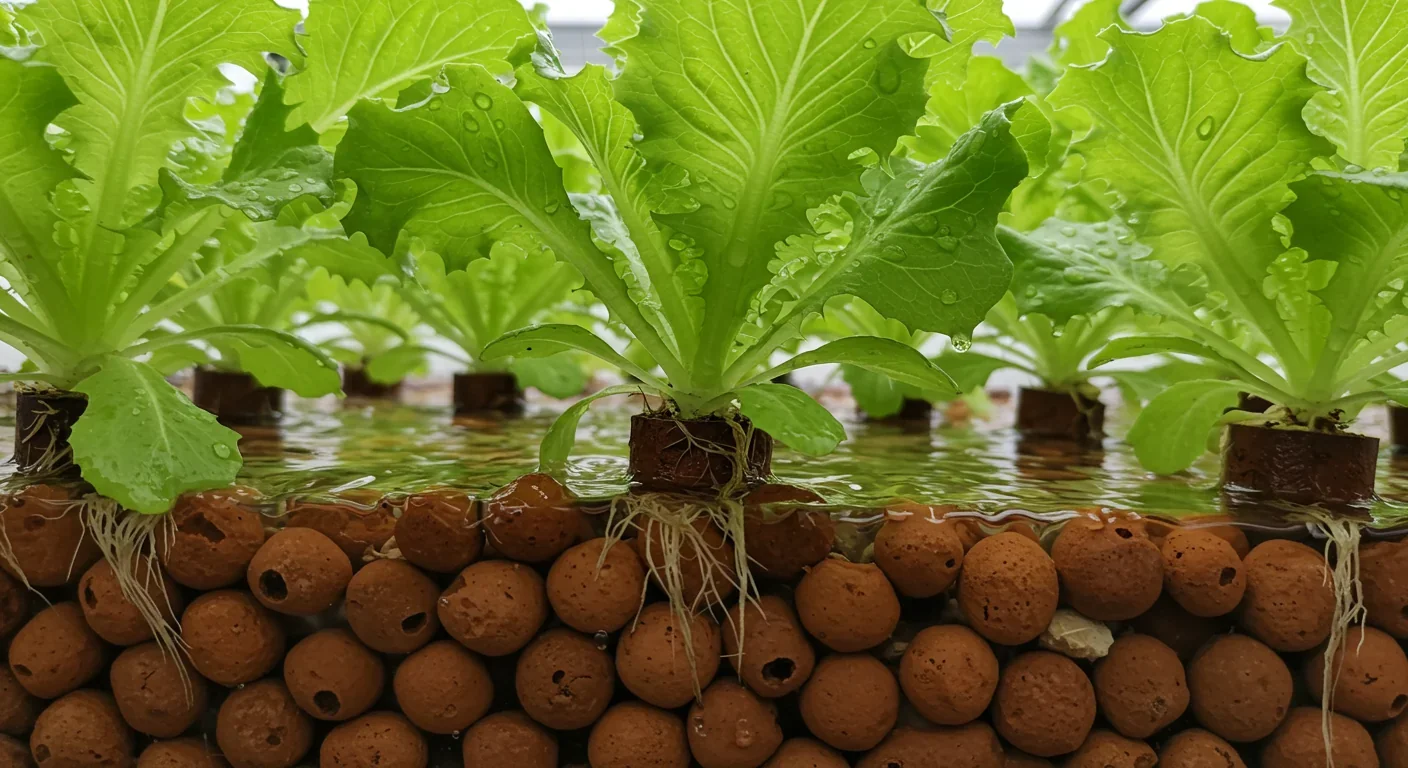
There are three main aquaponics designs, each with trade-offs. Media-based systems use gravel or expanded clay pellets in grow beds - simple, forgiving for beginners, and great for both leafy greens and fruiting plants. The media houses beneficial bacteria while supporting plant roots, though it's heavier and more expensive upfront.
Deep Water Culture (DWC) suspends plants on floating rafts above oxygen-rich water, favored by commercial operations for its simplicity and productivity with lettuce, herbs, and other lightweight crops. The University of the Virgin Islands demonstrated DWC's commercial viability decades ago, and it remains the go-to for large-scale leafy green production.
Nutrient Film Technique (NFT) circulates a thin film of water through sloped channels where plant roots dangle, efficient but finicky - it can't support large plants with extensive root systems, and pump failures spell disaster within hours. Commercial farms often combine systems, using DWC for lettuce while growing tomatoes and cucumbers in media beds.
"Tilapia represents 69% of commercial aquaponics production because they tolerate varying water conditions, grow fast, and taste good."
- International Survey of Commercial Aquaponics Operations
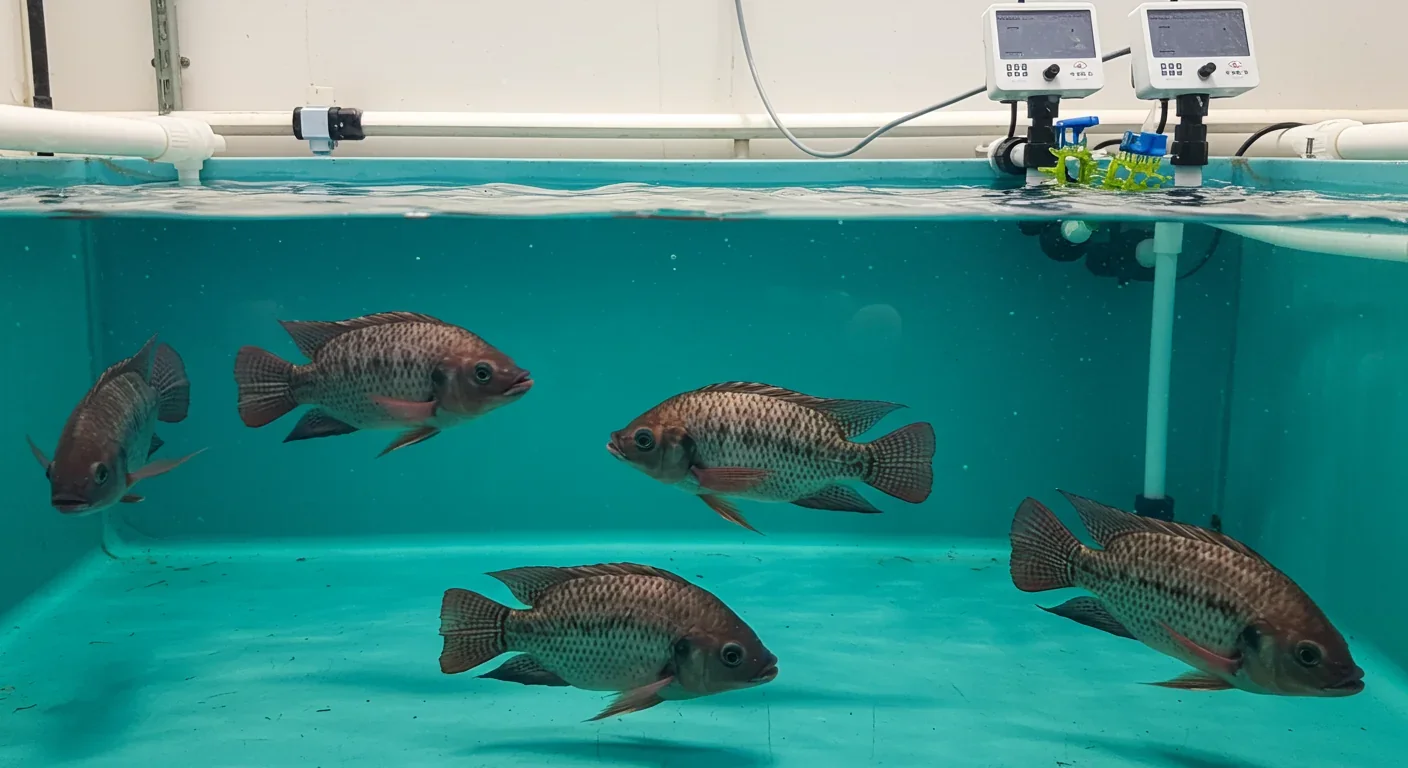
The fish you choose shapes everything. Tilapia dominates commercial aquaponics, representing 69% of production in industry surveys, because they tolerate varying water conditions, grow fast, and taste good. They thrive in 75-85°F water and don't mind crowding - you can stock up to one pound of fish per gallon in mature systems.
But tilapia aren't your only option. Catfish work brilliantly in cooler climates, while ornamental koi and goldfish suit backyard growers who want beauty over protein. Barramundi and Murray cod are gaining traction in Australia. Each species has sweet spots for temperature, pH, and stocking density that must align with your plant choices.
Speaking of plants: leafy greens and herbs are aquaponics superstars. Lettuce, basil, chard, kale, and spinach thrive in nitrate-rich water and grow faster than in soil. Fruiting plants like tomatoes, peppers, and cucumbers work too but demand more nutrients, particularly potassium and iron supplements since fish waste alone doesn't provide complete nutrition for heavy feeders.
Here's where enthusiasm meets cold financial reality. Initial setup costs run high - $50,000 to $100,000+ for small commercial operations, though backyard systems start around $1,000-$5,000. That's tanks, pumps, grow beds, plumbing, greenhouse structures, and backup systems because pump failures kill fish fast.
An international survey of commercial aquaponics operations revealed tough truths: most struggled with profitability in early years. The economics improve with scale and experience, but many operators underestimate costs and overestimate yields initially. Electricity for pumps, aeration, heating (or cooling), and lights adds up relentlessly. In colder climates, heating water through winter can devour profits.
Yet the financial picture isn't uniformly grim. Successful operations report impressive ROI once they hit stride, particularly urban farms selling premium organic produce directly to restaurants or through CSA subscriptions. The dual revenue stream - fish plus vegetables - provides diversification that pure hydroponics can't match. And as consumer demand for local, sustainable food grows, premium pricing helps margins.
Smart operators focus on high-value crops: boutique lettuce varieties, fresh herbs, microgreens that command $20-$40 per pound wholesale. They cultivate relationships with chefs who value freshness measured in hours, not days. They run tight operations, monitoring water chemistry daily, optimizing feed ratios, and preventing disease before it starts.
Market projections remain bullish, with analysts forecasting significant growth as technology improves and awareness spreads. The global aquaponics market was valued at $900 million in 2022 and could reach several billion by 2030 as climate pressures intensify and water scarcity forces agricultural innovation.
The environmental case for aquaponics seems bulletproof: 90% water savings, zero synthetic fertilizers, no pesticide runoff, and year-round production in climate-controlled spaces. Aquaponics eliminates agricultural runoff pollution that creates ocean dead zones and contaminates drinking water. The carbon footprint of shipping food thousands of miles vanishes when farms operate within city limits.
Energy consumption is aquaponics' hidden environmental cost. If electricity comes from coal, the carbon footprint might rival conventional farming - renewable energy integration is essential for true sustainability.
But scratch beneath the surface and the picture complicates. Energy consumption matters enormously. Pumps run 24/7. Heaters or coolers maintain optimal temperatures. LED grow lights in indoor operations consume serious electricity. If that electricity comes from coal, the carbon footprint might rival or exceed conventional farming. Solar panels and renewable energy dramatically improve the equation, but those add significant upfront costs.
Then there's the fish question. Tilapia dominate because they're resilient and edible, but commercial tilapia feed often contains fishmeal from wild-caught stocks, shifting environmental pressure rather than eliminating it. The most sustainable aquaponics operations use plant-based fish feeds or insects, though these are still evolving.
Food safety also demands attention. The FDA regulates aquaponics under both aquaculture and produce rules, requiring careful management of bacterial contamination risks. E. coli and Salmonella can proliferate if fish waste management falters. Professional operations implement testing protocols and maintain strict hygiene, but this adds complexity and cost.
Maintaining water chemistry is aquaponics' biggest challenge and steepest learning curve. pH must hover around 6.8-7.2 - a compromise between fish preferring 7-8, plants wanting 6-6.5, and bacteria needing 7-8. Drift too far either way and something suffers.
Ammonia must be converted efficiently by bacterial colonies, which take 4-6 weeks to establish in new systems - a period called "cycling" where patience prevents disaster. Add fish too soon and ammonia spikes kill them. Nitrite poisoning follows if Nitrosomonas bacteria proliferate before Nitrobacter populations mature to convert nitrites to nitrates.
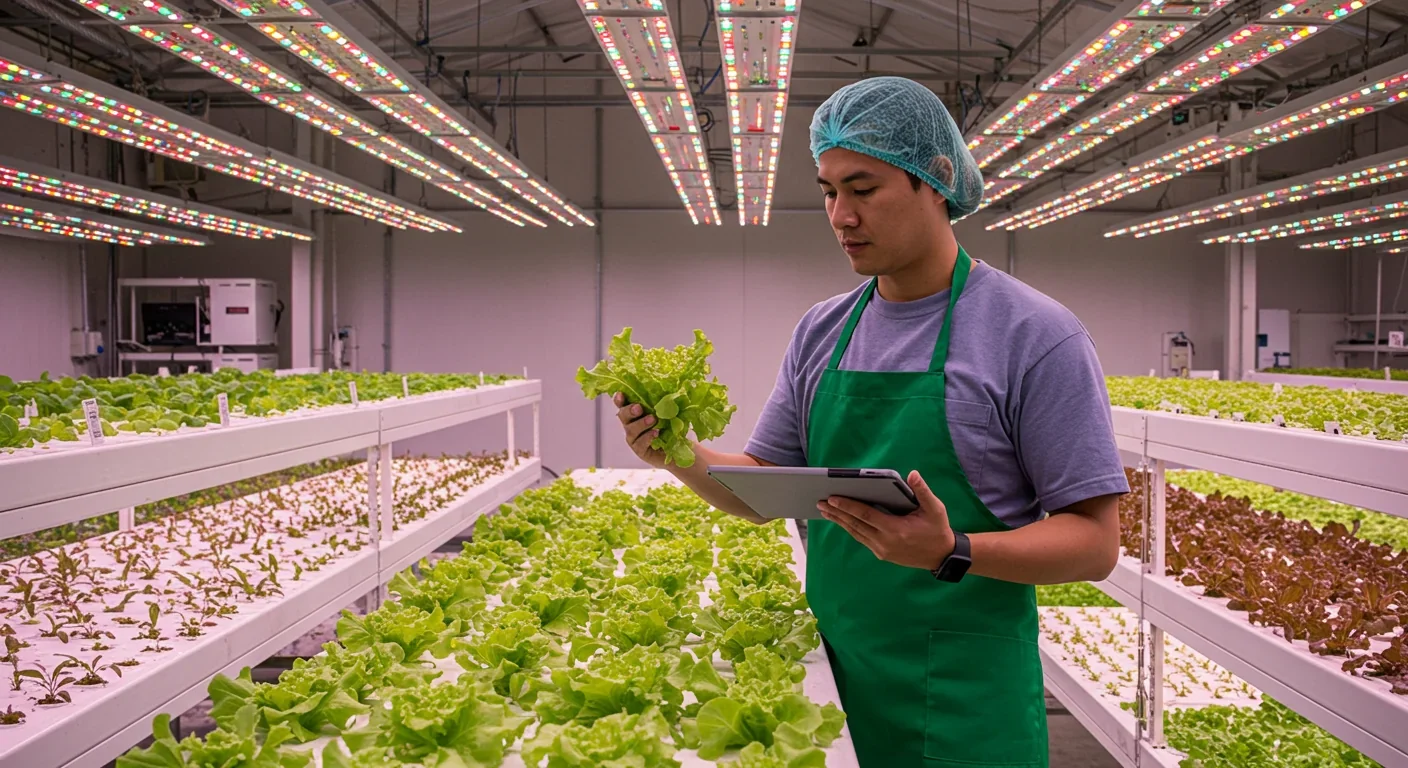
Temperature, dissolved oxygen, and fish stocking ratios must balance precisely. Overstock fish and ammonia overwhelms the system; understock and plants starve for nutrients. Seasonal temperature swings stress both fish and plants unless controlled. Root rot, nutrient deficiencies, and pest outbreaks require vigilant monitoring.
These aren't insurmountable obstacles, but they're real. Successful aquaponics requires knowledge spanning multiple disciplines - aquaculture, horticulture, plumbing, microbiology, and electrical systems. Universities from Ohio State to Utah State now offer aquaponics courses and certifications, recognizing this as a legitimate agricultural path requiring specialized training.
Milwaukee's Growing Power pioneered urban aquaponics in America, converting abandoned greenhouses into productive food hubs serving local communities. While Growing Power itself has closed, it inspired dozens of similar operations nationwide.
In Singapore, land-scarce but innovation-rich, aquaponics operations produce significant portions of the city-state's vegetables despite having almost no agricultural land. Vertical integration and automation push yields higher than most observers thought possible.
"In water-stressed regions like Africa, aquaponics' resilience makes it particularly valuable - small-scale community systems provide protein and vegetables where conventional farming struggles."
- Sustainable Environment Research
Africa is emerging as an aquaponics frontier, where water scarcity and climate volatility make the technology's resilience particularly valuable. Small-scale community systems provide protein and vegetables where conventional farming struggles.
The University of the Virgin Islands' aquaponics program has trained hundreds of farmers from around the world, disseminating proven commercial techniques. Their open-source approach accelerated the entire industry by sharing rather than hoarding knowledge.
Even home-scale success stories abound. Thousands of backyard aquaponics enthusiasts grow significant portions of their families' vegetables and fish, often recouping system costs within 2-3 years through grocery savings. Online communities share designs, troubleshooting tips, and encouragement.
The next decade will determine whether aquaponics remains niche or scales to genuine agricultural significance. Several trends suggest growing mainstream adoption.
Automation and AI monitoring are making systems more foolproof. Sensors track pH, temperature, ammonia, nitrites, and dissolved oxygen continuously, alerting operators to problems before they become disasters. Machine learning algorithms optimize feeding schedules and predict ideal harvest timing.
Renewable energy integration improves sustainability profiles dramatically. Solar-powered aquaponics in sunny regions can approach carbon neutrality while maintaining high productivity. Battery storage smooths energy demand, making off-grid operations feasible.
Plant-based and insect-based fish feeds are maturing, breaking dependence on wild-caught fishmeal. Black soldier fly larvae, in particular, show promise as a sustainable, protein-rich feed ingredient that can be raised on food waste.
Genetic advances in both fish and plants could accelerate productivity. Fast-growing tilapia strains, disease-resistant lettuce varieties, and plants optimized for aquaponic nutrient profiles are in development.
Policy support is growing. Some jurisdictions now classify aquaponics operations as agriculture rather than industrial facilities, easing zoning restrictions. Grant programs supporting sustainable food systems increasingly include aquaponics. The USDA recognizes aquaponics as organic under certain conditions, opening premium market channels.
Climate change paradoxically helps aquaponics by making conventional farming riskier. As droughts intensify, water restrictions tighten, and weather becomes less predictable, controlled-environment agriculture gains competitive advantage. Aquaponics' water efficiency and climate independence become more valuable yearly.
Will aquaponics save the world? Probably not by itself. Should it be part of our agricultural future? Absolutely.
Aquaponics won't replace Iowa corn fields or Kansas wheat farms. But in water-stressed regions, dense urban areas, and places where climate extremes make outdoor farming precarious, it offers compelling advantages. The technology excels at producing high-value crops sustainably near consumption points, reducing transportation impacts while providing fresh, chemical-free food.
Aquaponics forces us to think differently about food production - not as extraction but as ecosystem management, working with biology rather than against it.
The learning curve is real. The capital requirements are substantial. The economics are challenging but improving. Yet for operators willing to master the biological and technical complexity, aquaponics delivers on its promises: radically lower water use, elimination of synthetic inputs, year-round production, and dual harvest streams.
Perhaps most importantly, aquaponics forces us to think differently about food production - not as extraction but as ecosystem management. The fish aren't livestock in the conventional sense; they're symbiotic partners in a carefully balanced biological system. The plants aren't just crops; they're living water filters. The bacteria aren't pests to eliminate but essential workers to cultivate.
That mindset shift from domination to orchestration might be aquaponics' most valuable contribution. As climate change forces agricultural reinvention, we'll need farming methods that work with biology rather than against it, that conserve rather than consume resources, and that produce abundance from closed loops rather than linear throughput.
The fish-powered farm isn't science fiction anymore. It's happening now, in warehouses and greenhouses and backyards, proving that the agriculture of the future might look nothing like the past - and that's exactly what we need.
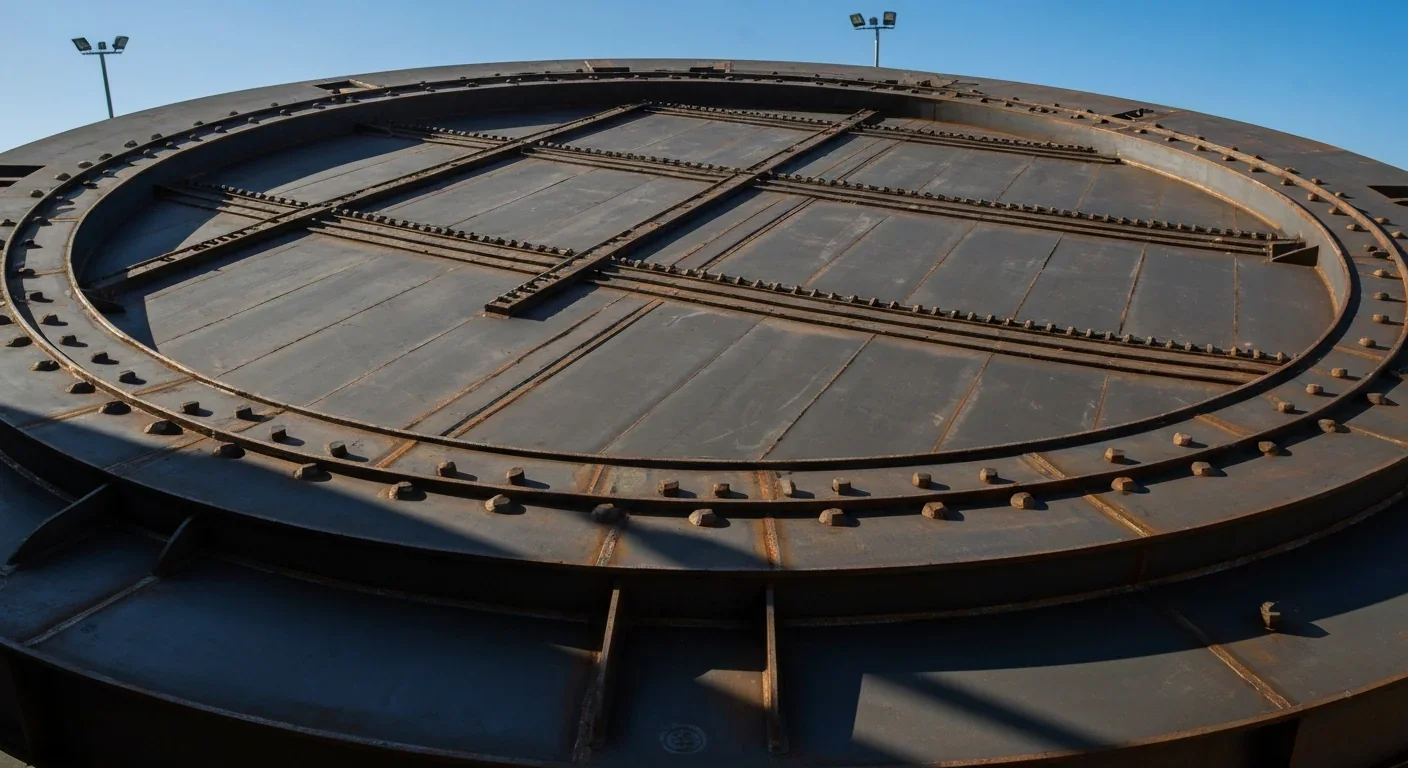
Project Orion was a real 1960s program to reach other stars by detonating 800 nuclear bombs behind a spacecraft. The physics worked and the engineering was feasible, but the 1963 nuclear test ban treaty killed it. It remains the most credible interstellar spacecraft ever designed.

The locus coeruleus, a tiny brainstem structure, degenerates decades before Alzheimer's symptoms appear. Its loss cripples the brain's inflammation control, waste clearance, and sleep regulation. New imaging tools and noradrenergic therapies offer hope for early detection and prevention.
Research shows the sharing economy often increases total resource consumption through the Jevons paradox and rebound effects. Ride-sharing adds billions of vehicle miles, co-working spaces use more energy per worker, and diffused responsibility erodes conservation behavior. Breaking the paradox requires congestion pricing, accountability design, and matching sharing models to appropriate resource types.

Psychological reactance theory explains why banning or restricting things makes people want them more. From Prohibition to the Streisand effect to scarcity marketing, research shows that threatening people's freedom reliably backfires, and autonomy-supportive communication is far more effective.
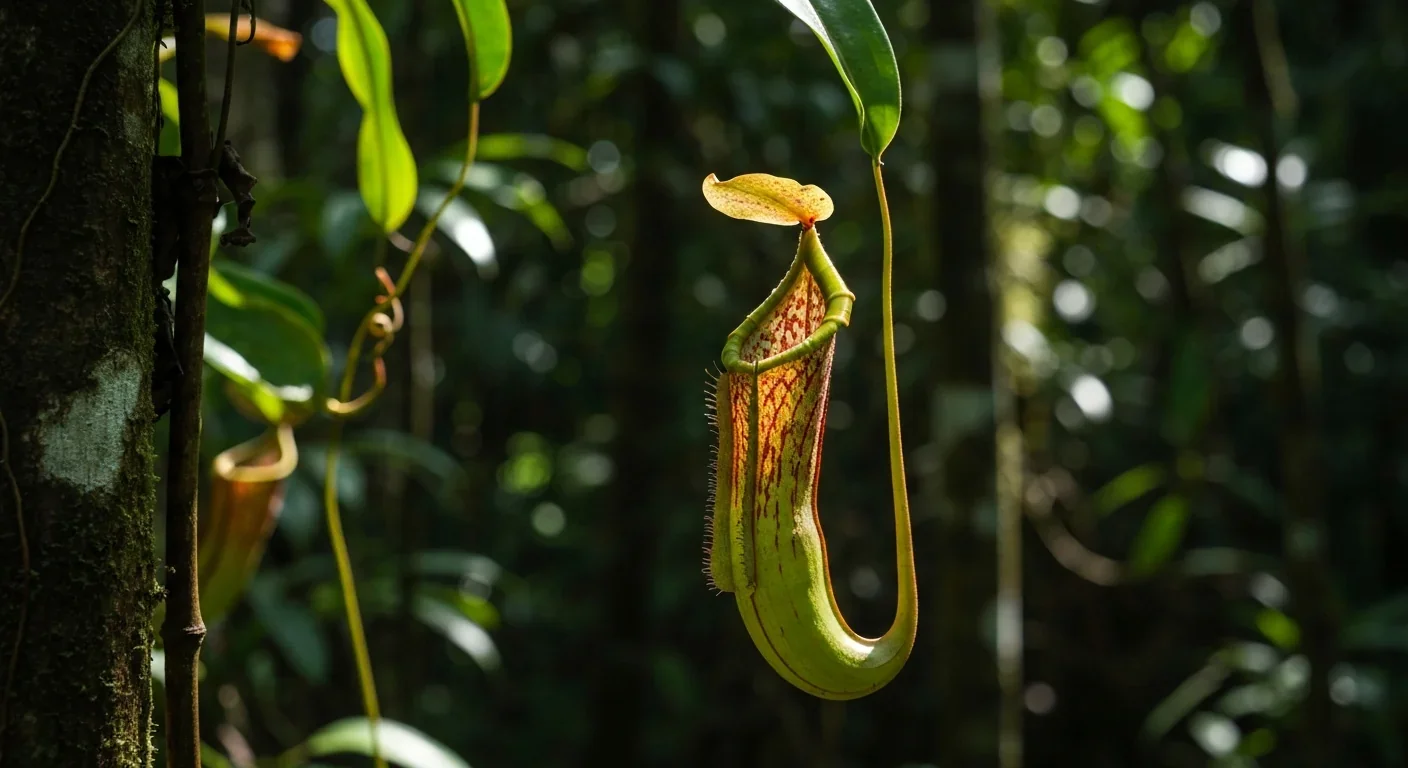
A carnivorous pitcher plant in Borneo evolved to house bats instead of trapping insects, gaining up to 95% of its nitrogen from bat guano. The plant even built an ultrasonic reflector to help bats find it, revealing that carnivory in plants is a flexible spectrum.

The quantified self movement began as a hacker-ethos pursuit of personal insight, but corporate wearables now funnel biometric data to employers, insurers, and data brokers. With 81% of Americans wrongly believing health apps are HIPAA-protected, a regulatory void enables health data to be sold for pennies while generating anxiety instead of empowerment.
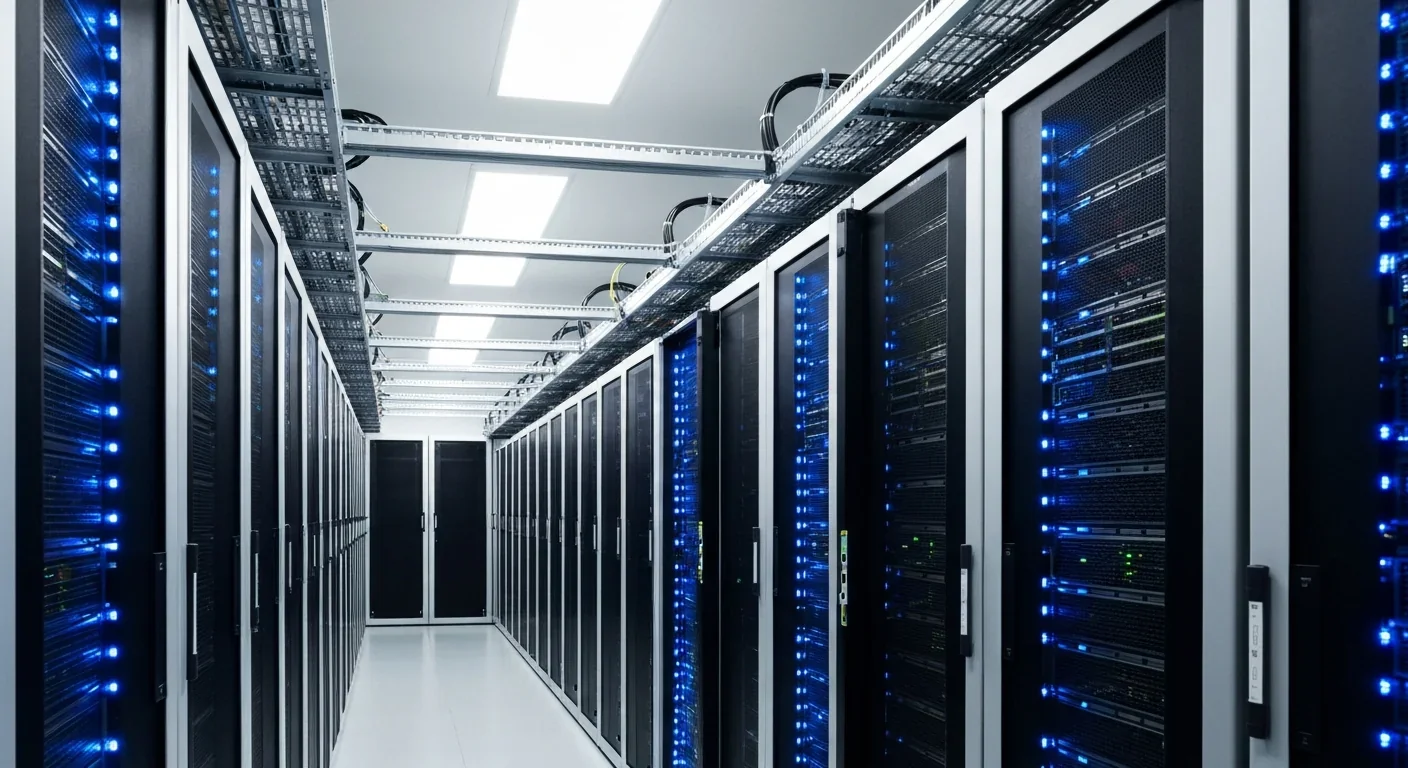
CXL memory pooling lets servers dynamically share DRAM over a cache-coherent interconnect, eliminating the 40% stranded memory waste in data centers. With commercial hardware now shipping and Azure deploying CXL cloud instances, this technology promises to cut memory costs by 50% while enabling composable infrastructure.

Loading featured articles...