Sharing Economy's Dirty Secret: More Sharing, More Waste
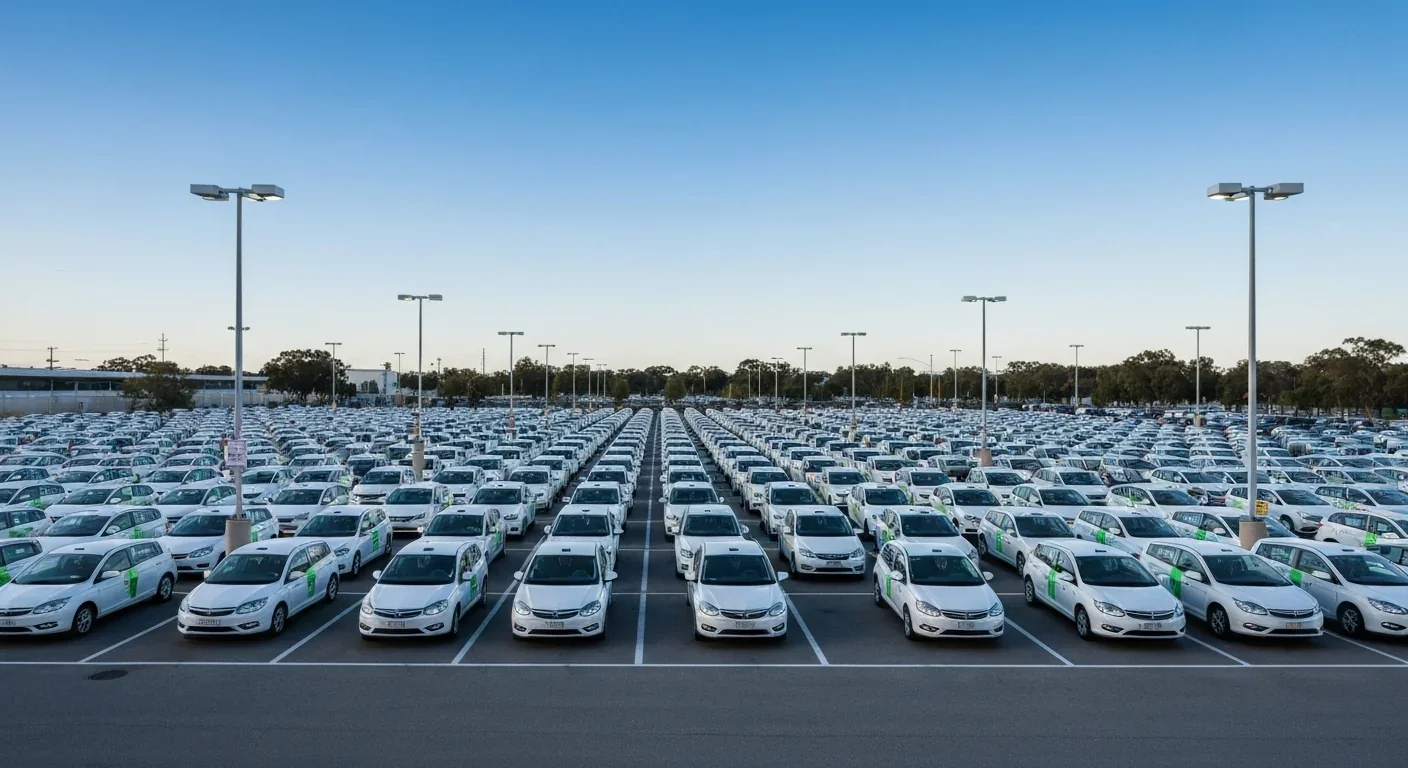
Sharing Economy's Dirty Secret: More Sharing, More Waste

Scientists Want to Bring Back the Ice Age to Save Us

Whale Pump: How Whale Dung Fertilizes the Ocean

Climate Tipping Cascades: How One Threshold Topples All
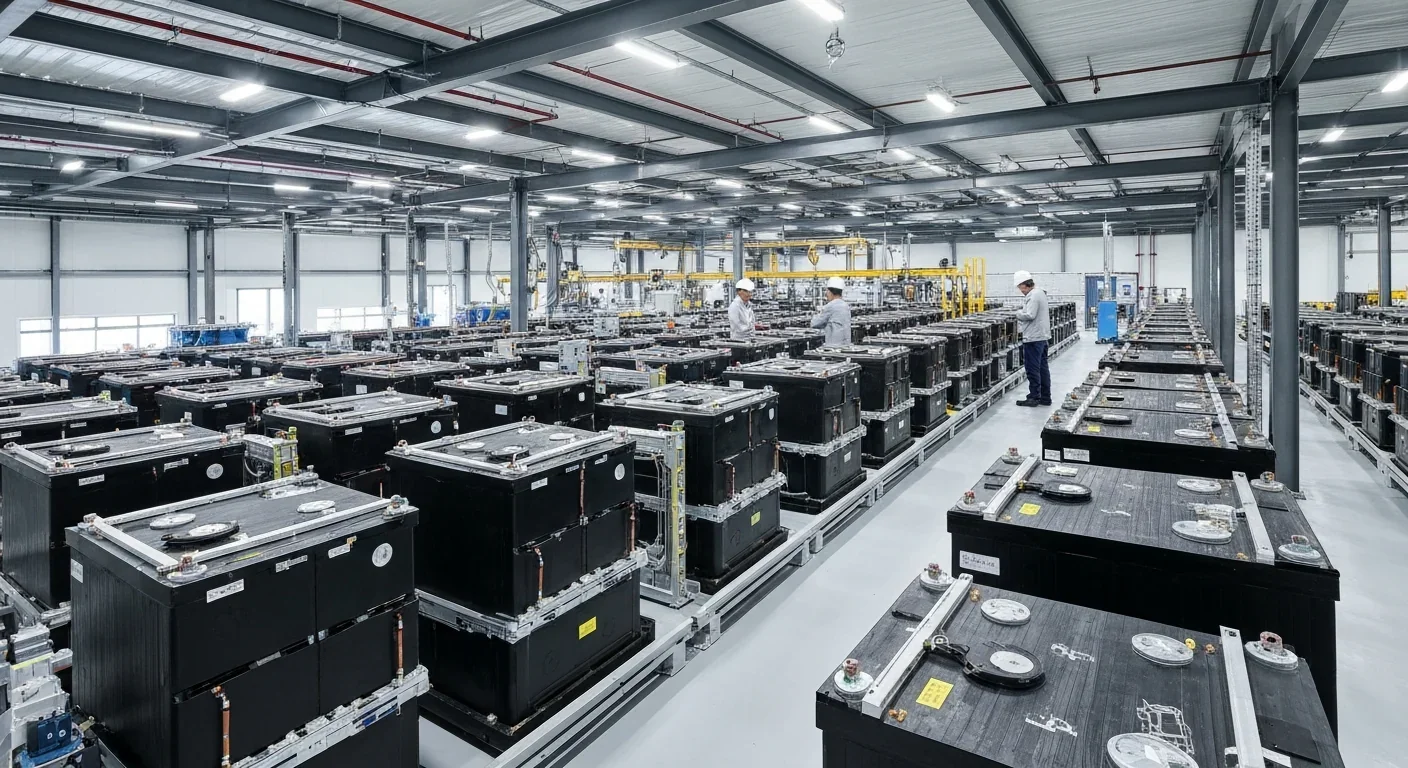
Iron-Air Batteries Could Solve Renewable Energy Storage
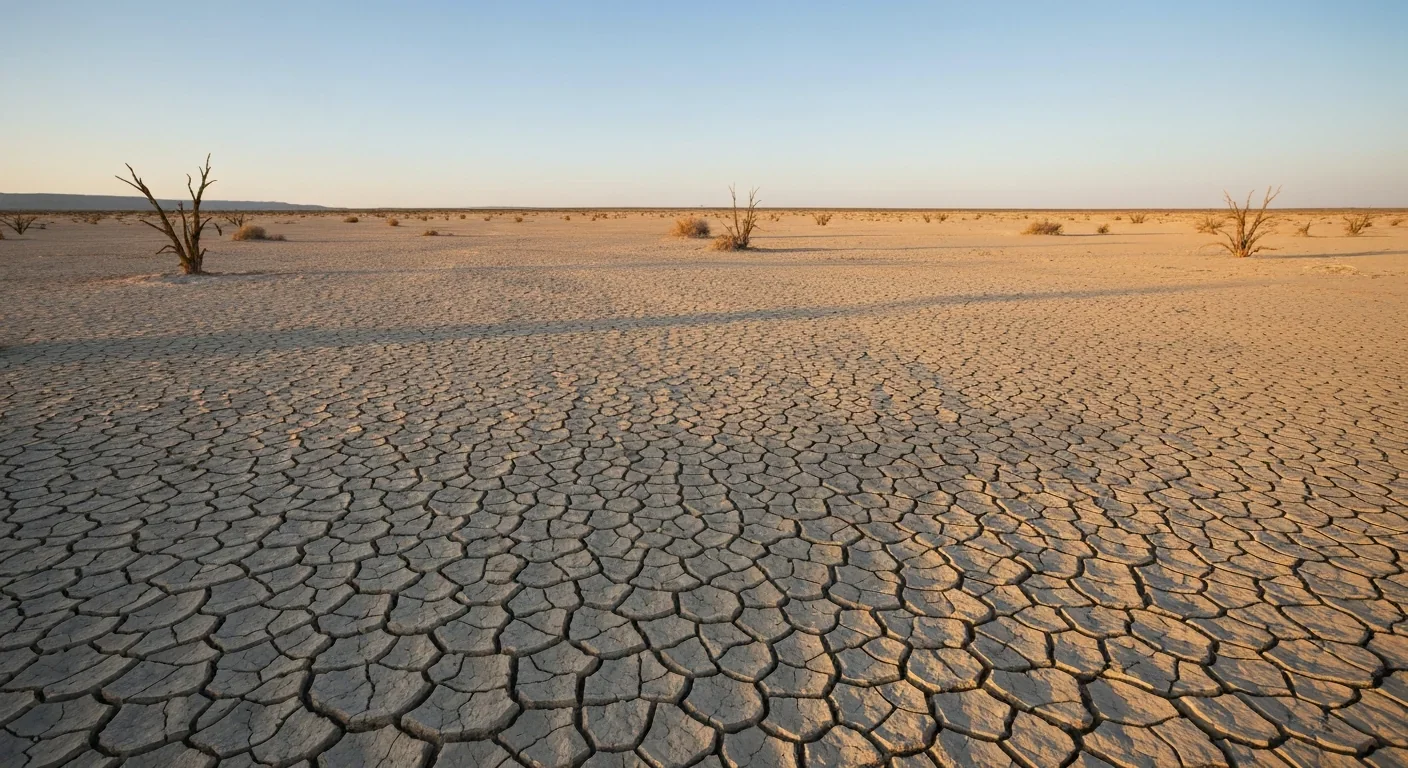
Megadrought Is Redrawing the Map of Earth's Ecosystems
TL;DR: As climate change intensifies, geoengineering - from solar dimming to carbon removal - is moving from theory to real consideration. But the question isn't just whether we can manipulate Earth's climate, but whether we should, raising profound ethical dilemmas about justice, consent, and unintended consequences that will define humanity's future.

Picture this: scientists launch aerosols into the stratosphere to dim sunlight, or pump nutrients into oceans to boost carbon-eating plankton. It sounds like science fiction, but geoengineering - humanity's most audacious climate intervention - is moving from theory to real-world consideration. As global temperatures climb past critical thresholds and extreme weather intensifies, research into solar radiation modification has accelerated dramatically. Yet the question isn't just whether we can manipulate Earth's climate systems, but whether we should. This isn't a technical puzzle to solve, it's a profound ethical reckoning that will define our species' relationship with the planet itself.
Geoengineering splits into two camps. Solar radiation management (SRM) aims to reflect sunlight back into space, mimicking volcanic eruptions by injecting sulfate particles into the upper atmosphere. Carbon dioxide removal (CDR) tackles the root cause by extracting greenhouse gases through methods like ocean fertilization, direct air capture, or enhanced rock weathering. Each approach carries distinct risks and benefits that scientists are still mapping out.
SRM could theoretically cool the planet within months. That's the appeal when you're facing runaway ice melt and devastating heat waves. But new research examining polar geoengineering reveals troubling limitations. Attempts to protect Arctic ice sheets through localized interventions face massive scalability challenges and could disrupt weather patterns in unpredictable ways. Scientists from Southampton and Durham universities found that schemes to brighten clouds over polar regions or pump cold water beneath ice sheets would require unprecedented industrial efforts - and might fail anyway.
CDR methods feel safer because they address carbon levels directly, but they're painfully slow. Marine carbon dioxide removal, for instance, must contend with ocean chemistry so complex that even well-intentioned interventions could trigger ecosystem collapse. Direct air capture facilities exist today, but scaling them to meaningful impact would cost trillions and demand energy equivalent to entire nations' power grids.
The technical reality is sobering. We're talking about engineering Earth's climate system, something we barely understand after centuries of study. Recent models show that stopping SRM abruptly after deployment would cause catastrophic temperature spikes. And CDR, while conceptually sound, faces deployment timelines measured in decades when we need solutions now.
History offers perspective. Just as Gutenberg's printing press democratized knowledge but also spread propaganda, every transformative technology carries dual potential. The Green Revolution saved a billion people from starvation through agricultural innovation, yet also created monocultures vulnerable to collapse and poisoned groundwater with runoff.
Nuclear power promised unlimited clean energy. It delivered that, but also Chernobyl and Fukushima - reminders that complex systems resist perfect control. The parallels to geoengineering are uncomfortable. We're proposing to manipulate interconnected climate systems with feedback loops we're still discovering, betting that we can manage unintended consequences before they spiral.
The ozone hole crisis of the 1980s shows both the promise and peril. Humanity successfully coordinated to ban chlorofluorocarbons, proving global cooperation is possible when stakes are clear. But that took decades of diplomacy, and the problem was simpler - a specific chemical causing measurable damage. Climate intervention is orders of magnitude more complex, with winners and losers distributed unevenly across nations, generations, and ecosystems.
Consider the Aral Sea, once the world's fourth-largest lake. Soviet engineers diverted its rivers for cotton irrigation, confident they could improve on nature's design. Within decades, the sea had shrunk by 90%, leaving behind toxic dust storms and collapsed fisheries. The engineers had perfect technical knowledge of hydrology. What they lacked was humility about unforeseen consequences.

Who gets to decide if we dim the sun? That question exposes the deepest ethical fault lines. Geopolitical dimensions of solar radiation modification reveal how quickly this becomes about power, not just temperature. If the United States deploys SRM to protect its agriculture but causes drought in Southeast Asia, who bears responsibility? If China invests heavily in CDR technology and then refuses to share it, does that violate some implicit global covenant?
Justice demands we consider who's harmed by climate change and who might be harmed by the cure. Small island nations face existential threats from rising seas, but they have virtually no say in geoengineering decisions made by major powers. Indigenous communities in the Arctic, already watching their homelands transform, might see polar geoengineering schemes as one more colonial imposition.
Consent is theoretically important in democratic societies, but how do you obtain meaningful consent for planetary-scale intervention? A referendum? International treaty? The decisions affect unborn generations who can't vote. They affect ecosystems that can't speak. Traditional ethics frameworks built for individual choices or even national policies crack under this weight.
Then there's the moral hazard argument. If people believe geoengineering offers a technological escape hatch, will they lose motivation for the hard work of emissions reduction? It's the same psychology that makes people rationalize unhealthy choices because medicine can fix the damage later. Except we're not talking about individual health - we're gambling with the only biosphere we've got.
The principle of "do no harm" looks different at planetary scale. Inaction causes harm as climate disasters multiply. But action risks different harms, potentially worse ones. We're trapped between terrible options, forced to choose our catastrophe.
The scientific community is split, and that division matters. Some climate researchers view geoengineering as an emergency protocol - break glass only when emissions cuts and adaptation fail. Others see it as dangerous hubris that distracts from real solutions.
Bill Gates has backed Harvard research into stratospheric aerosol injection, arguing that we need to understand these tools even if we never use them. His critics counter that merely researching SRM normalizes it as an option, making deployment more likely regardless of risks.
Field experiments remain tiny and controversial. When researchers proposed releasing aerosols over Sweden for a test, local communities and environmental groups successfully blocked it. They argued that consent hadn't been properly obtained and that even small trials could set dangerous precedents. The controversy highlighted how difficult it is to study geoengineering without triggering the very governance questions it raises.
Meanwhile, carbon dioxide removal developments are advancing more quietly. Direct air capture companies are raising billions in investment. Enhanced weathering trials are spreading crushed rocks across agricultural land. These methods feel less scary because they don't involve pumping chemicals into the sky, but they still face massive scalability questions.
Oceanographers studying marine CDR approaches warn about ocean acidification impacts we haven't fully mapped. Adding iron to stimulate phytoplankton growth might sequester carbon, but it could also trigger harmful algal blooms or disrupt food webs in ways that ripple through entire ocean basins.
The honest assessment from climate science is that we don't know enough to deploy geoengineering safely at scale. But we might not know enough until it's too late to develop alternatives. That's the knife edge we're walking.
Different nations see geoengineering through wildly different lenses. Countries already suffering severe climate impacts tend to be more open to interventions, even risky ones. Pacific island nations watching their land disappear beneath waves don't have the luxury of waiting for perfect solutions.
Wealthy nations that caused most historical emissions face pressure to both cut emissions and develop technological fixes. The European Union is investing heavily in CDR research while maintaining that it must complement - not replace - emissions reductions. The messaging is careful: we're preparing options, not endorsing deployment.
Russia and Canada might actually benefit from some warming effects, complicating any global consensus. If SRM cools the planet but disrupts the Asian monsoon that billions depend on, whose interests prevail? These aren't hypothetical tensions. They're the geopolitical realities that any geoengineering governance framework must navigate.
China has launched its own geoengineering research programs with less transparency than Western equivalents. That asymmetry fuels suspicion and makes international coordination harder. If one nation decides to go rogue and deploy SRM unilaterally - call it the "Greenfinger scenario" - what can others do? Military intervention to stop climate intervention? The absurdity is also the reality.
Indigenous perspectives often emphasize reciprocity with nature and skepticism toward technological fixes that ignore deeper relational issues. Research highlighting biodiversity risks from geoengineering aligns with traditional ecological knowledge that warns against treating nature as a machine to be optimized.

Right now, no international body has clear authority over geoengineering. The UN Environment Programme published a report calling for global oversight, but that's different from having actual governance mechanisms. The closest analog is the Montreal Protocol that phased out ozone-depleting substances, but that took years to negotiate for a much simpler problem.
Some experts propose a moratorium on SRM deployment until proper governance exists. Others argue that research itself needs regulation. The challenge is that the more you regulate research, the more you push it into less transparent contexts - military programs or rogue actors.
Public engagement remains minimal despite the stakes. Most people have never heard of solar radiation modification, let alone formed opinions about its use. Democratic deliberation requires informed publics, but the science is complex and the scenarios feel distant. By the time geoengineering becomes politically salient, decisions may already be locked in by technical and financial investments.
Here's what's likely to happen over the next decade. CDR technologies will scale up, driven by carbon credit markets and corporate net-zero commitments. Some will work moderately well. Most will face cost and scalability barriers that limit their impact. Direct air capture will remain expensive but improve gradually.
SRM research will continue in simulation and small-scale studies. Pressure for field trials will intensify as climate impacts worsen. Eventually, probably after a particularly devastating series of disasters, some nation or coalition will deploy SRM as an emergency measure. The international community will scramble to create governance frameworks retroactively.
The ethical questions won't get easier. They'll get harder as the climate deteriorates and desperation grows. Debates that seem abstract now will become urgent when heat waves are killing thousands and crop failures are triggering conflicts.
What should you take from this? First, that geoengineering isn't some distant sci-fi scenario. It's being researched and funded right now, and the trajectory points toward eventual deployment. Second, that the ethical stakes are as important as the technical ones. How we make these decisions will matter as much as what we decide.
Skills worth developing: systems thinking that can hold multiple conflicting truths simultaneously. The ability to evaluate scientific claims without either blind faith or reflexive skepticism. Understanding how technological choices encode political values. Basically, the cognitive tools for navigating a future where every solution comes with asterisks.
The conversation about whether to manipulate the climate is happening now, in research labs and policy circles. Join it. Challenge it. Shape it. Because the alternative is letting others make choices that will define Earth's future for centuries.
You're not a passive observer in this story. The choices societies make about geoengineering will depend partly on public pressure and understanding. Start by learning enough to have informed opinions. Follow organizations tracking climate intervention research. Support political candidates who take governance seriously.
Think about your own relationship with climate change. Are you reducing emissions where you can? Supporting systemic changes? It's easy to say geoengineering is hubris while living lifestyles that make it necessary. The moral high ground requires action, not just critique.
Consider generational justice. The decisions we make in the next decade will constrain or enable choices for people not yet born. That's worth losing sleep over, but also worth channeling into engagement rather than paralysis.
The debate about manipulating Earth's climate forces us to confront what we believe about humanity's place in nature. Are we stewards with responsibilities? Engineers solving technical problems? Or something more complex, a species that must hold multiple truths - our power, our ignorance, our interdependence - all at once?
The answer matters because it will shape not just policy, but how we see ourselves and what we're capable of becoming. Geoengineering isn't ultimately about technology. It's about who we are and who we want to be.
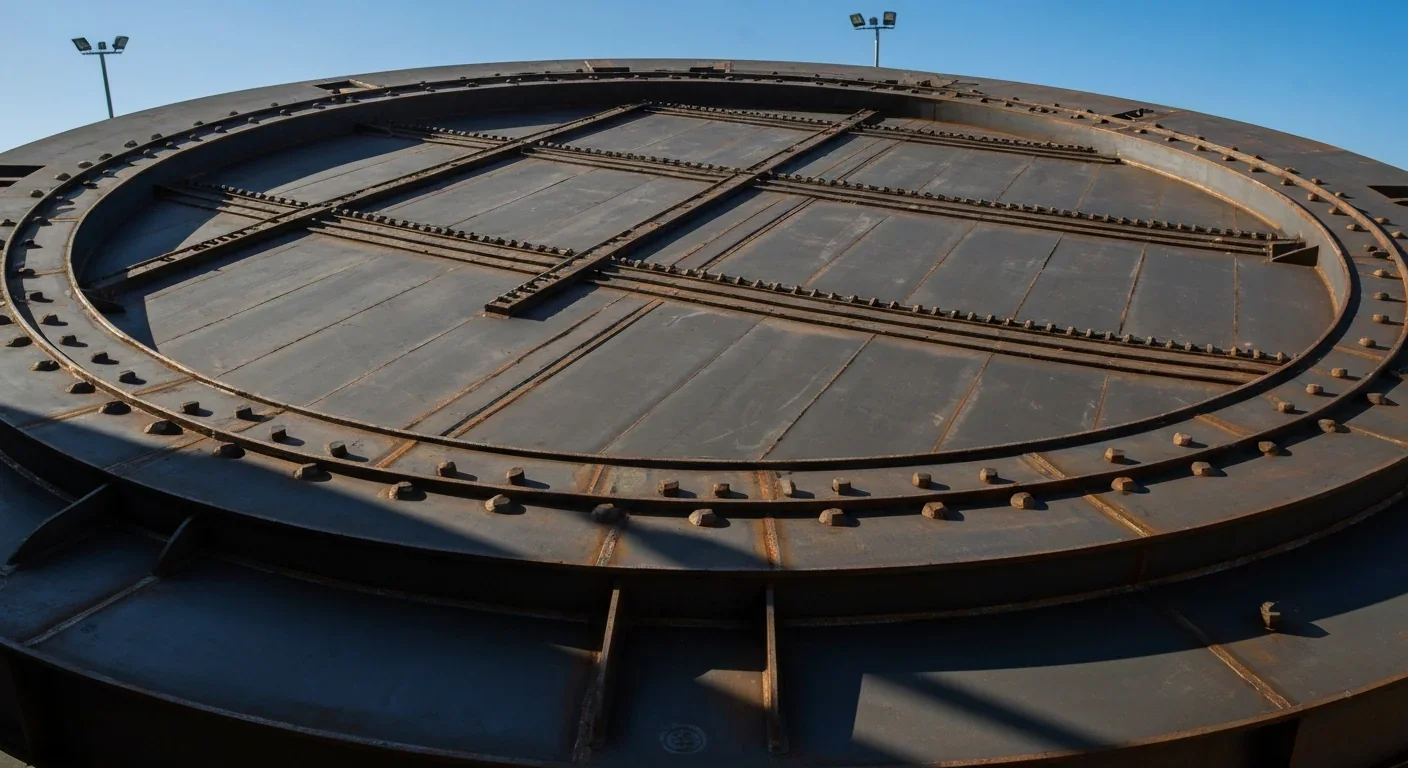
Project Orion was a real 1960s program to reach other stars by detonating 800 nuclear bombs behind a spacecraft. The physics worked and the engineering was feasible, but the 1963 nuclear test ban treaty killed it. It remains the most credible interstellar spacecraft ever designed.

The locus coeruleus, a tiny brainstem structure, degenerates decades before Alzheimer's symptoms appear. Its loss cripples the brain's inflammation control, waste clearance, and sleep regulation. New imaging tools and noradrenergic therapies offer hope for early detection and prevention.
Research shows the sharing economy often increases total resource consumption through the Jevons paradox and rebound effects. Ride-sharing adds billions of vehicle miles, co-working spaces use more energy per worker, and diffused responsibility erodes conservation behavior. Breaking the paradox requires congestion pricing, accountability design, and matching sharing models to appropriate resource types.

Psychological reactance theory explains why banning or restricting things makes people want them more. From Prohibition to the Streisand effect to scarcity marketing, research shows that threatening people's freedom reliably backfires, and autonomy-supportive communication is far more effective.

A carnivorous pitcher plant in Borneo evolved to house bats instead of trapping insects, gaining up to 95% of its nitrogen from bat guano. The plant even built an ultrasonic reflector to help bats find it, revealing that carnivory in plants is a flexible spectrum.

The quantified self movement began as a hacker-ethos pursuit of personal insight, but corporate wearables now funnel biometric data to employers, insurers, and data brokers. With 81% of Americans wrongly believing health apps are HIPAA-protected, a regulatory void enables health data to be sold for pennies while generating anxiety instead of empowerment.

CXL memory pooling lets servers dynamically share DRAM over a cache-coherent interconnect, eliminating the 40% stranded memory waste in data centers. With commercial hardware now shipping and Azure deploying CXL cloud instances, this technology promises to cut memory costs by 50% while enabling composable infrastructure.

Loading featured articles...